

Last Updated on 6 August, 2025
SUPERHOT’s unique time-only-moves mechanic transforms every encounter into a puzzle of positioning, timing, and resource management. This guide offers a full breakdown of core mechanics, level structure, weapon strategies, secret terminals, advanced tactics, VR insights, and replay advice. It solves the mystery of every hidden element and clarifies best-practice techniques so you can clear each episode with precision and confidence.
Table of Contents
- 1. Game Overview
- 2. Core Mechanics & Time Control
- 3. Campaign Level Structure
- 4. Weapons & Tools
- 5. Secrets & Terminals
- 6. Advanced Techniques & Pro Tips
- 7. VR Edition & Replay Advice
- 8. Conclusion
1. Game Overview
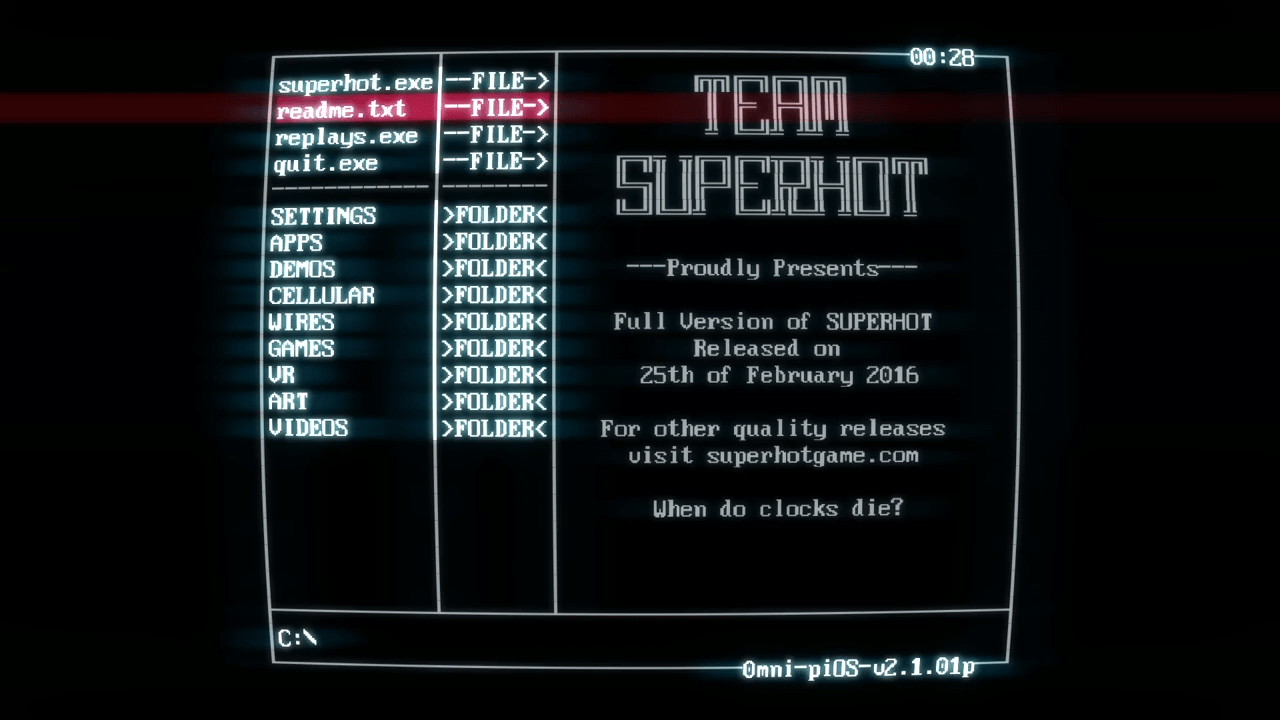
SUPERHOT is an indie first-person shooter developed by the SUPERHOT Team and published by SUPERHOT. It debuted as a free prototype during the 7DFPS game jam in January 2013 and later launched as a full premium title on February 25, 2016. The game emphasizes minimalist aesthetics, limited weapon pickups, and a groundbreaking “time moves only when you move” mechanic that blurs the line between shooter and puzzle.
- Developer: SUPERHOT Team
- Publisher: SUPERHOT
- Initial Release: February 25, 2016
- Platforms: Windows, macOS, Linux, PlayStation 4 (July 21, 2017), Xbox One (May 3, 2016), Nintendo Switch (August 19 , 2019)
- Genre: First-Person Shooter / Puzzle
- Core Loop: Move to advance time, dodge bullets, pick up weapons, eliminate enemies, progress through levels
2. Core Mechanics & Time Control
SUPERHOT’s defining feature is that time progresses only while the player moves, creating a fluid blend of strategy and reflex. Standing still almost freezes the world, i.e. bullets hang in mid-air and enemies cannot act. This design shifts focus from twitch shooting to thoughtful planning of each step and shot. Health does not regenerate, and ammo is only obtained from fallen foes or pickups, so players must balance aggression with conservation.
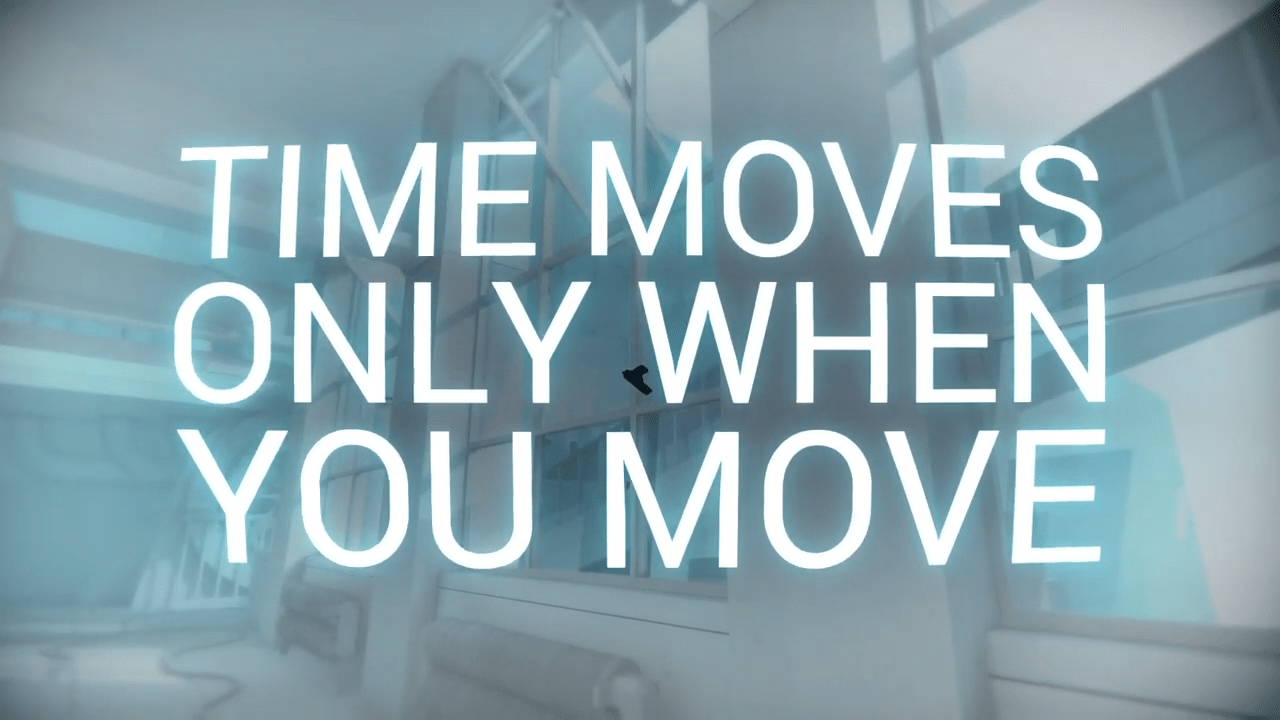
Movement speed, weapon handling, and enemy actions all tick forward in real time when you push, walk, or turn. Sprinting accelerates time but makes dodges tighter, while crouching or inching slows everything to a crawl. Mastery involves micro-moves: sliding corridors, inch-by-inch peeks, and bullet-time counters that feel almost cinematic.
3. Campaign Level Structure
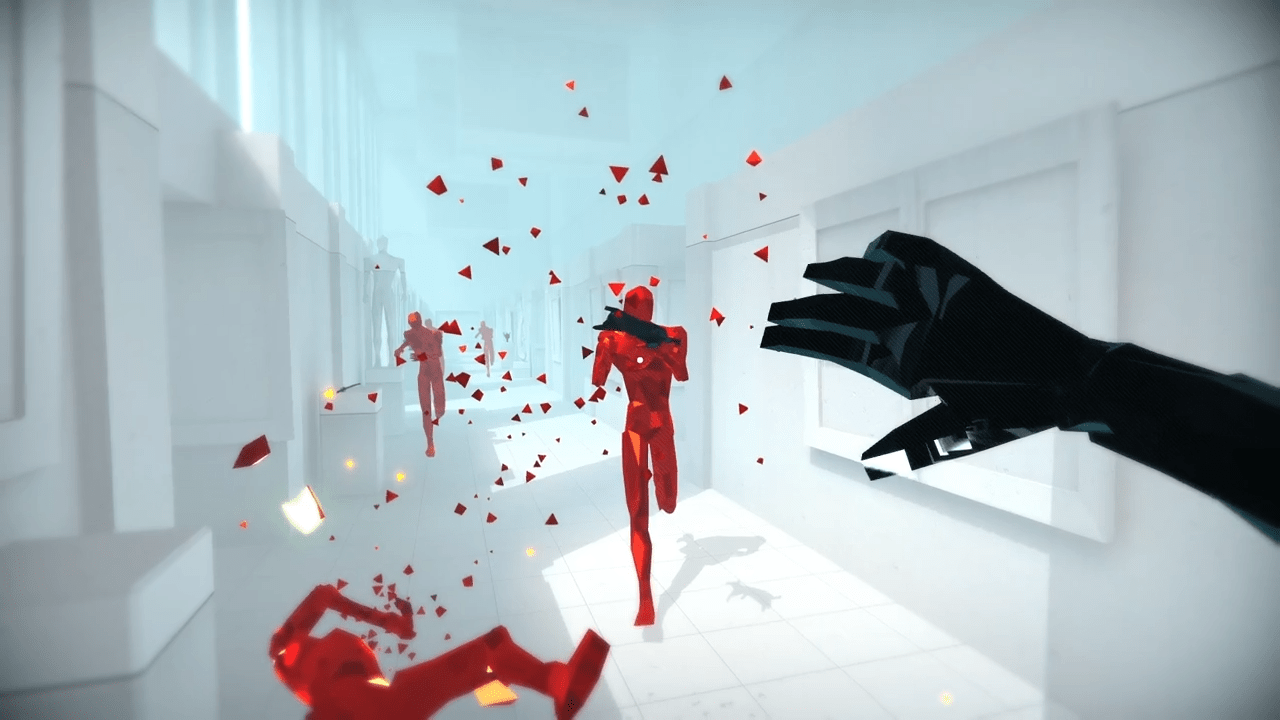
The main campaign features 30 numbered “episodes,” each introduced by cryptic text or a single-phrase chapter header. Early levels teach you the time mechanic, while mid-game chapters introduce platforming, puzzles, and new enemy variations. The final episodes incorporate the “Hot Switch” mechanic, allowing you to swap bodies and weapons mid-battle.
| Episodes | Header Text | Focus |
|---|---|---|
| 1–5 | Time Moves Only When You Move | Basic dodging and shooting |
| 6–13 | Jump | Platforming under fire |
| 14–18 | They Cracked The System | Reflection puzzles and blocked bullets |
| 19–22 | No Plot, No Reason For Anything | Pure combat gauntlets |
| 23–30 | We’ve Reached The Core | Hot Switch mechanics and finale |
4. Weapons & Tools
Every weapon in SUPERHOT is found in-level and resets your hands when picked up. Typical arsenals include pistols, shotguns, rifles, and various melee items like knives and hammers. Ammo is scarce, so precision matters: a single missed shot may leave you unarmed. Melee weapons can block bullets or be thrown to both kill foes and reshape cover on the fly.
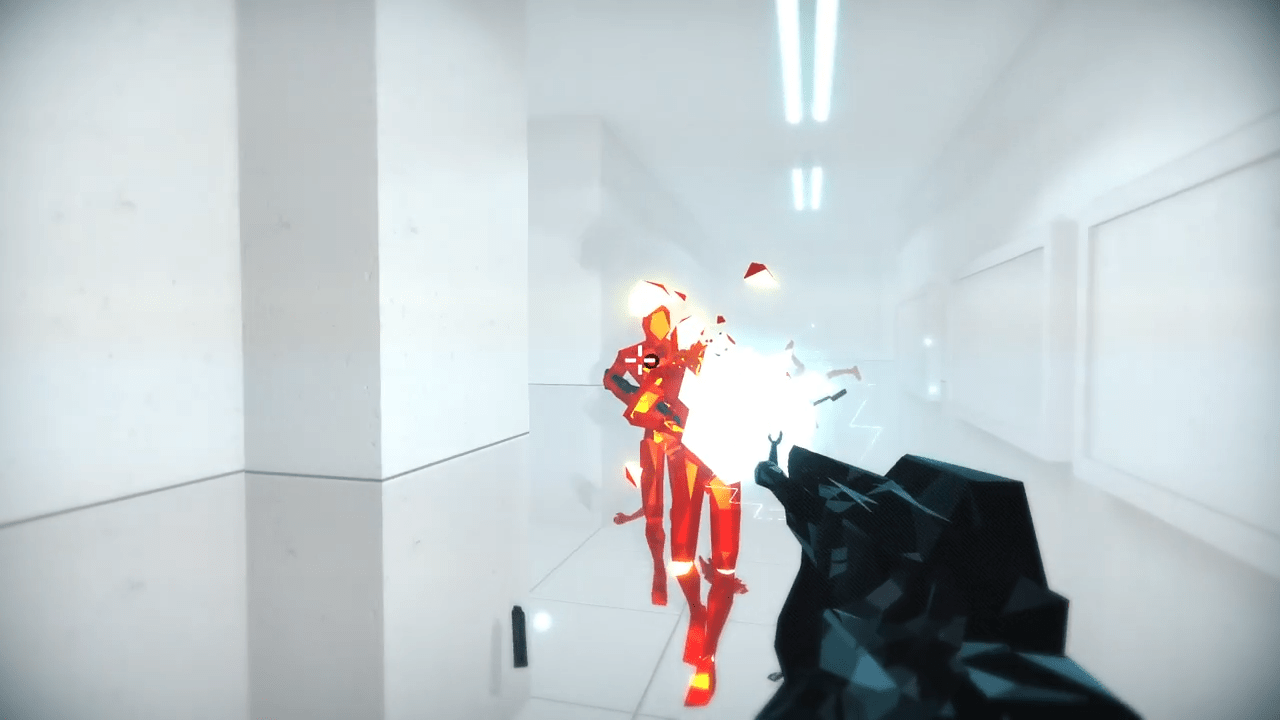
- Pistols & Rifles: Good range but limited ammo pickups per episode.
- Shotguns: High damage close-range but low ammo capacity.
- Melee: Knives, axes, shurikens; use to deflect bullets or dispatch enemies silently.
- Environmental Objects: Televisions, bottles, and debris can become deadly projectiles.
5. Secrets & Terminals
Hidden in 27 campaign episodes are mystery terminals that unlock cryptic messages and bonus lore. Each terminal appears behind a destructible wall or after a precision jump. Accessing all terminals requires both exploration and mastery of advanced movement techniques like bullet-block jumps and mid-air slides.
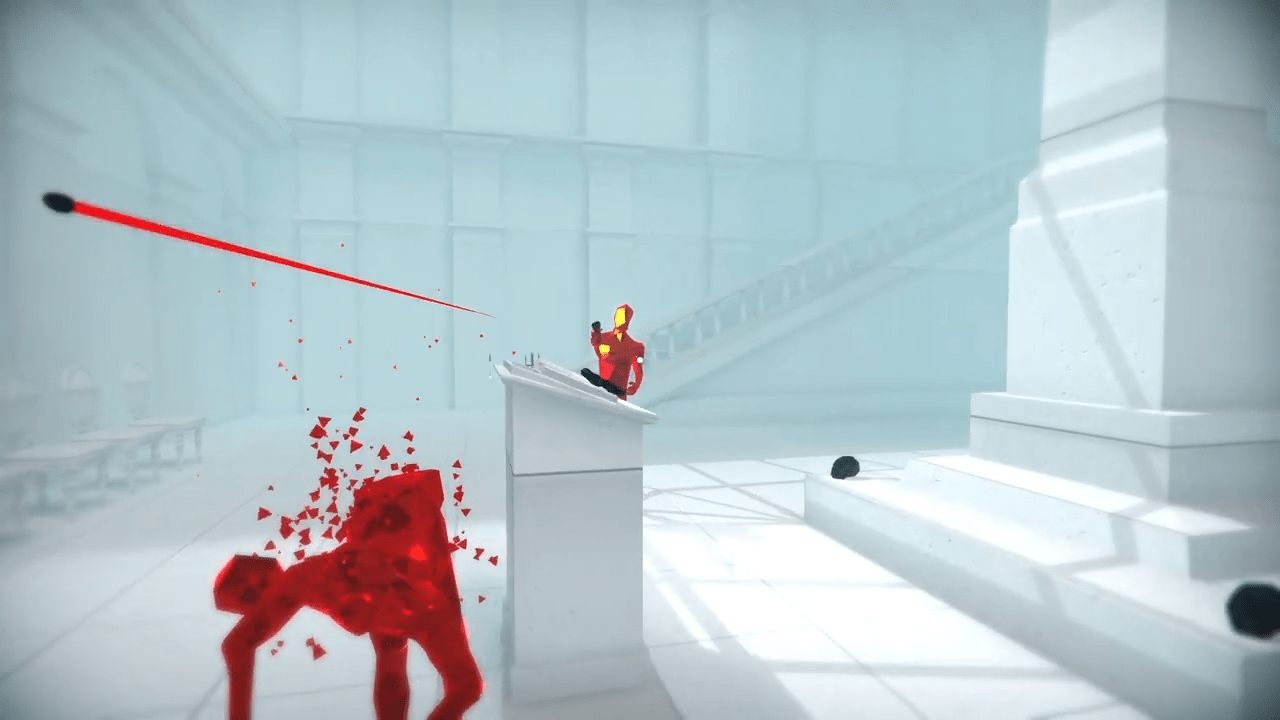
- Total Terminals: 27 across main campaign.
- Unlock Reward: Story fragments and secret ending unlockables.
- Access Methods: Break weak panels, perform slide-throughs, or “bullet-shop” across gaps.
6. Advanced Techniques & Pro Tips
Once basic episodes feel trivial, you can refine your play with high-level maneuvers. Techniques like “Goomba Stomp” (jump kill), “Katana Split” (slice bullets mid-flight), and precise slow-walk dodges let you conserve ammo and shave seconds off runs. Understanding hitbox windows and animation frames is key for speedruns or no-gun challenges.
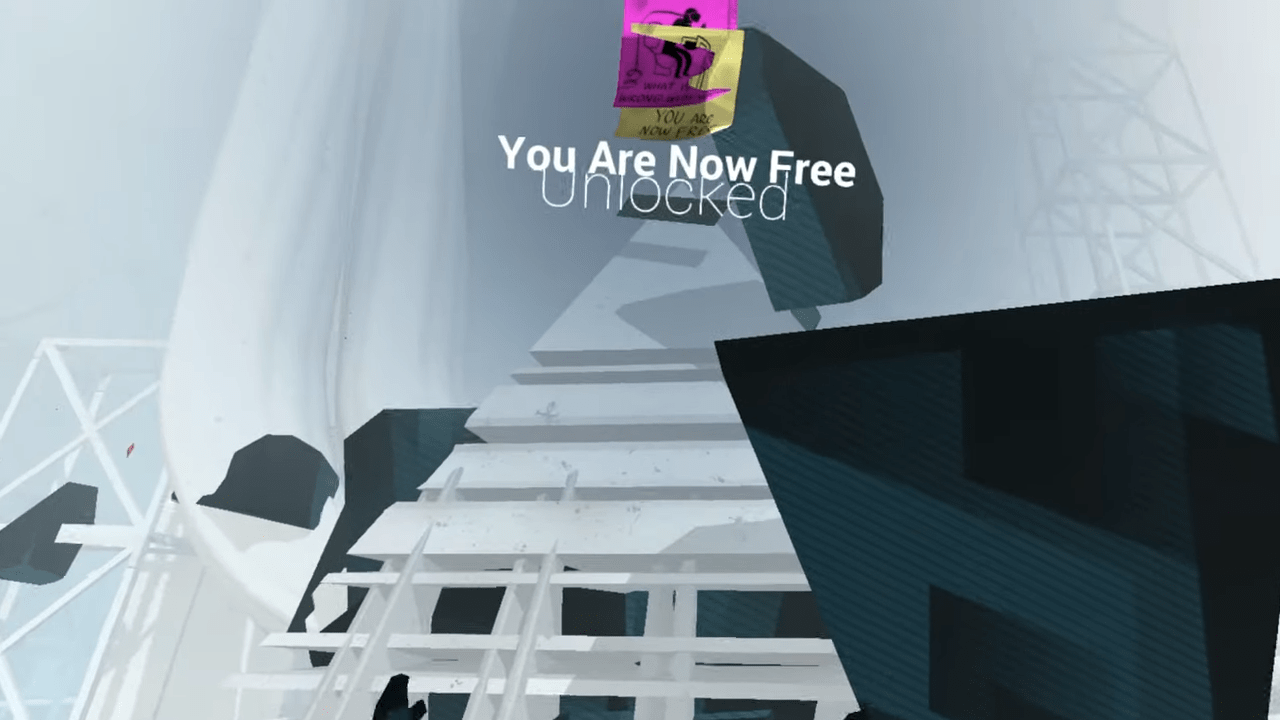
- Goomba Stomp: Jump from height to kill multiple enemies instantly.
- Katana Split: Swing sword as bullet reaches melee range to destroy it.
- Bullet Block Jump: Use a thrown object to create a temporary shield then leap to hidden areas.
- Micro-Dodge: Inch-walking combined with small turns maximizes reaction time.
7. VR Edition & Replay Advice
SUPERHOT VR ports all core mechanics into room-scale VR on Oculus Rift, HTC Vive, and PlayStation VR. Spatial awareness becomes vital; always scan your six-meter play area before advancing time. For non-VR, challenge runs like “No Gun,” “No Objects,” or speedruns extend replayability, leaderboards are tracked on speedrun.com
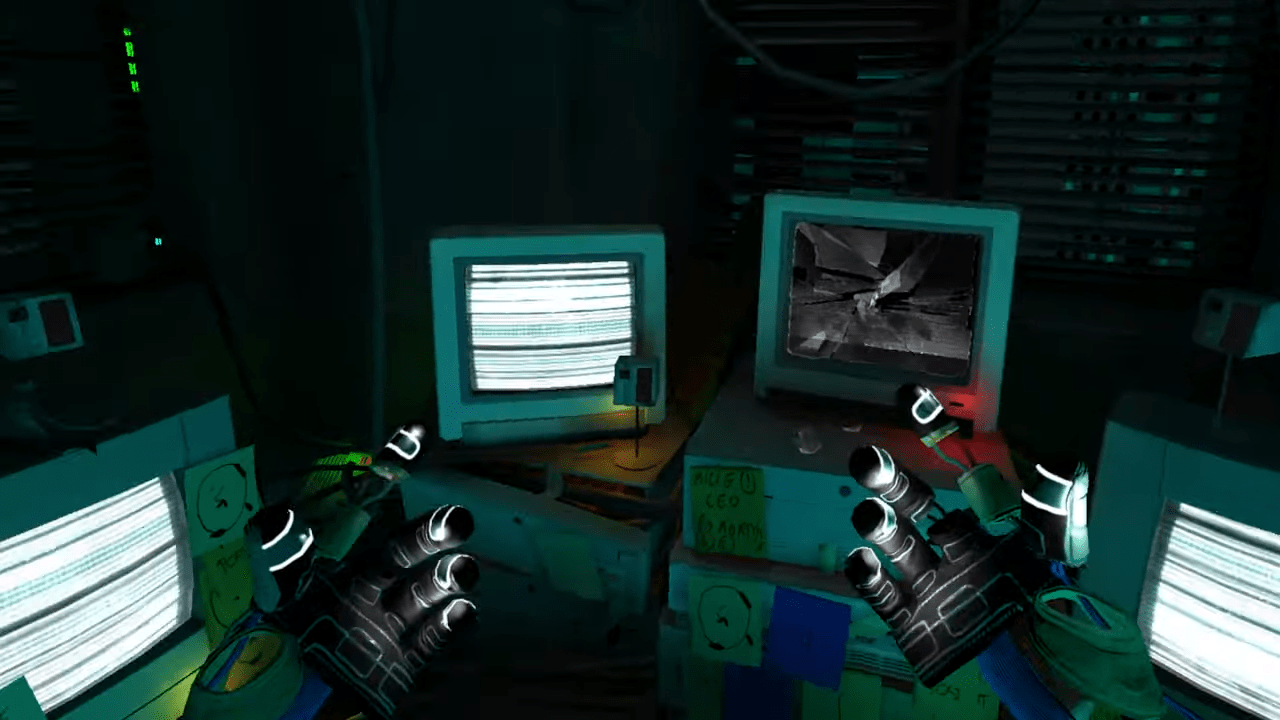
- VR Platforms: Oculus, SteamVR, PlayStation VR.
- No Official New Game+: Manual replay retains skill but resets all weapons.
- Challenge Modes: Accessible via main menu after campaign completion.
8. Conclusion
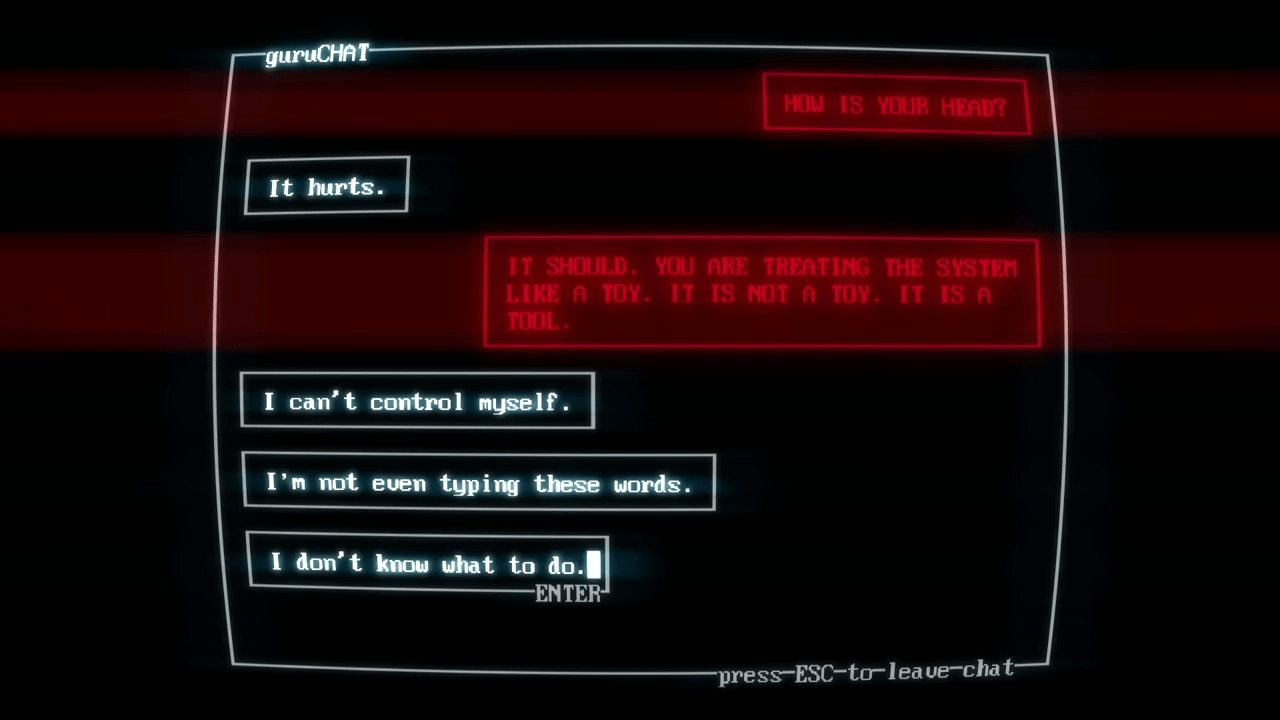
By mastering time control, weapon swaps, hidden terminals, and advanced maneuvers, you can conquer every episode of SUPERHOT with precision. This guide has demystified each core element and equipped you with proven tactics. So, begin today by replaying Episodes 3–5 using only melee throws to unlock one secret terminal and sharpen your bullet-time instincts.

Leave a Reply