
Last Updated on 16 September, 2026
One gaming session can provide distinct material for a live broadcast, a recorded video, and short clips without requiring a creator to replay the same experience. The stream preserves real-time reactions and audience participation. A longer edit gives the session shape, while a clip focuses attention on one moment that stands on its own.
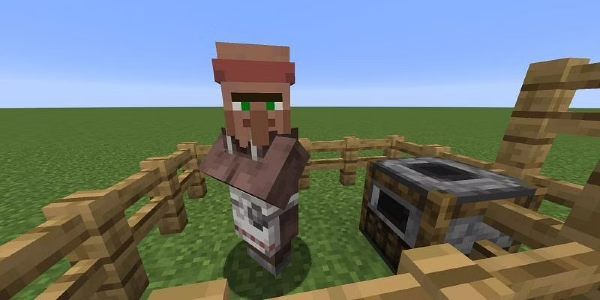
The key is to plan for usable moments before pressing record. Start with a clear goal, explain important choices during play, and identify a payoff that gives the session an ending. A Minecraft creator discussing in-game options could use How to Get Free Minecoins in Minecraft as a resource topic, while keeping clear that the guide concerns Minecoins and not a reward for streaming or posting gameplay.
Shared footage needs separate editorial jobs
A live stream is the version built around immediate interaction. Chat reactions, changing plans, and spontaneous explanations can all add value because the creator can respond in the moment. YouTube states that live streams can reach people beyond existing subscribers, and YouTube Studio provides metrics during and after a broadcast.
The recording needs a different standard. Remove setup time, repeated attempts, technical pauses, and exchanges that lack context outside the live chat. Keep the decisions and commentary that help a viewer understand why the session unfolded as it did.
Mark useful timestamps while playing instead of trying to rediscover every strong section later. Notes can identify a turning point, a useful explanation, or an unexpectedly funny outcome. This simple habit gives the editor a practical map of the footage and protects the long video from becoming an unfiltered archive.
Affordable game choices support repeatable sessions
Cheap Steam games can come from Steam sales, bundles, or digital marketplaces that list discounted keys. Eneba is a digital marketplace for game keys, gift cards, and other digital products, where verified merchants and product pages with platform and regional compatibility information support clear purchasing choices. Confirming the listed platform and region helps a creator select the right game for a planned session. That removes a practical obstacle before recording begins and keeps the content plan focused on the game itself.
A lower-cost title still needs a strong session concept. Set a goal that viewers can follow, like learning a mechanic, testing a strategy, or reaching a defined milestone. The concept gives the live audience a reason to participate and gives the later video an organized path.
Edit the long version before selecting clips
Start by shaping the recorded video, then pull short clips from its strongest sections. The long version has room for context, pacing, and an explanation of choices. YouTube lets creators use existing long-form videos in Studio to create separate clips or Shorts through selected timestamps or transcript sections.
A short clip should center on one understandable idea rather than attempt to summarize the full session. Give viewers quick orientation through the opening visual, commentary, or readable captions, then let the moment reach its payoff. YouTube Shorts can appear in the Shorts feed, search results, the homepage, channel pages, subscriptions, and notifications, while current platform rules support Shorts up to three minutes through the app or Studio.
Twitch also supports clips from enabled streams and VODs, with clips adjustable up to 60 seconds and sharing options for several social platforms. The stream can hold the full conversation, the edit can explain the complete sequence, and the clip can introduce one memorable part. Eneba fits this workflow by helping creators identify compatible digital game products before they turn a session into material for several audience needs.

Leave a Reply