

Last Updated on 1 August, 2025
Songs of Conquest is a turn-based strategy adventure from Lavapotion, blending Heroes of Might & Magic-style kingdom-building with tactical battles and RPG-style wielders. This guide delivers up-to-date tactics on exploration, settlement management, combat, factions, and multiplayer skirmishes. Each section features highlighted actionable steps, so you can outmatch both AI and human foes.
1. Game Overview: Conquest & Wielders
Released out of Early Access in late 2023, Songs of Conquest casts you as a Wielder, i.e. a powerful mage-general leading armies across procedurally generated maps full of treasure, monsters, and rival empires. You build settlements, research upgrades, recruit troops, and cast spells in turn-based battles that reward tactical positioning and resourcefulness.
In 2025, the game features four base factions (Arleon, Rana, Barya, Loth) and two DLC factions, six campaigns, plus random-map skirmish and multiplayer modes.
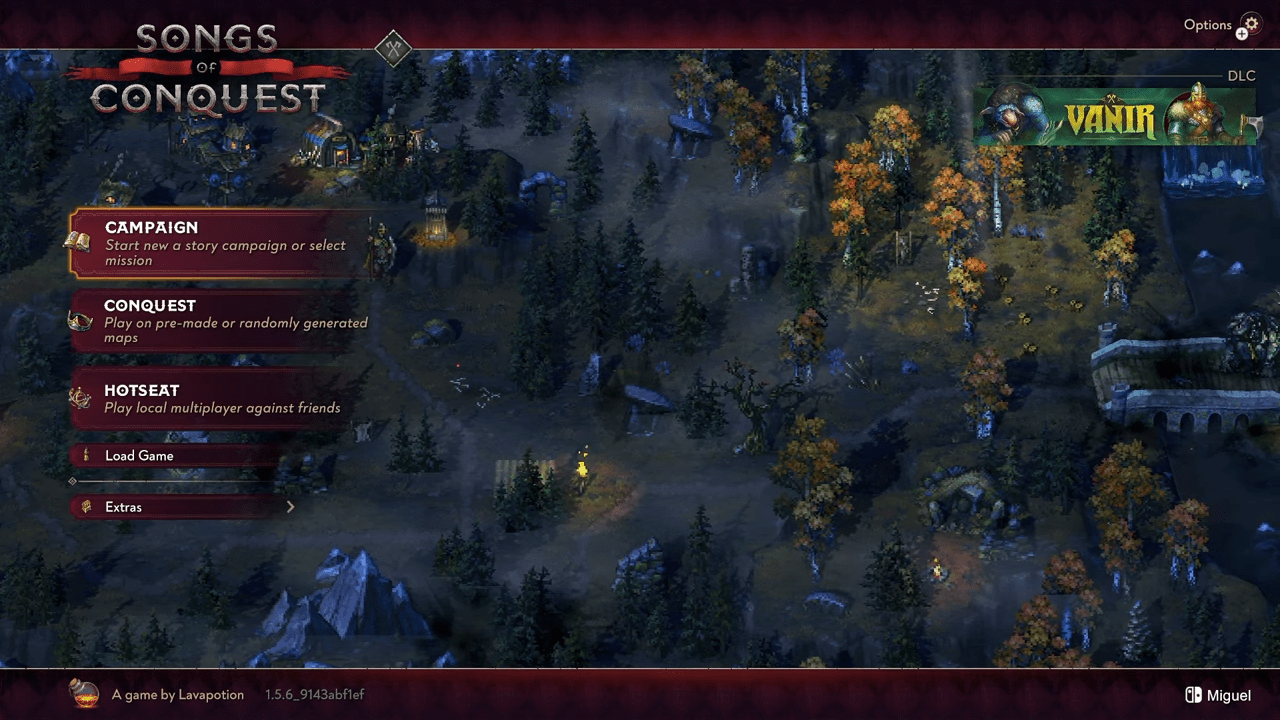
- Kingdom layer: exploration, resource capture, and settlement development
- Battle layer: grid-based combat with units, spells, and terrain effects
- Progression: unlock new buildings, units, and Wielder abilities via Research
- Replayability: dozens of maps, randomized quests, and competitive multiplayer
This blend of grand strategy and tactical role-playing sets the stage for deep, varied gameplay.
2. Getting Started: Interface & First Steps
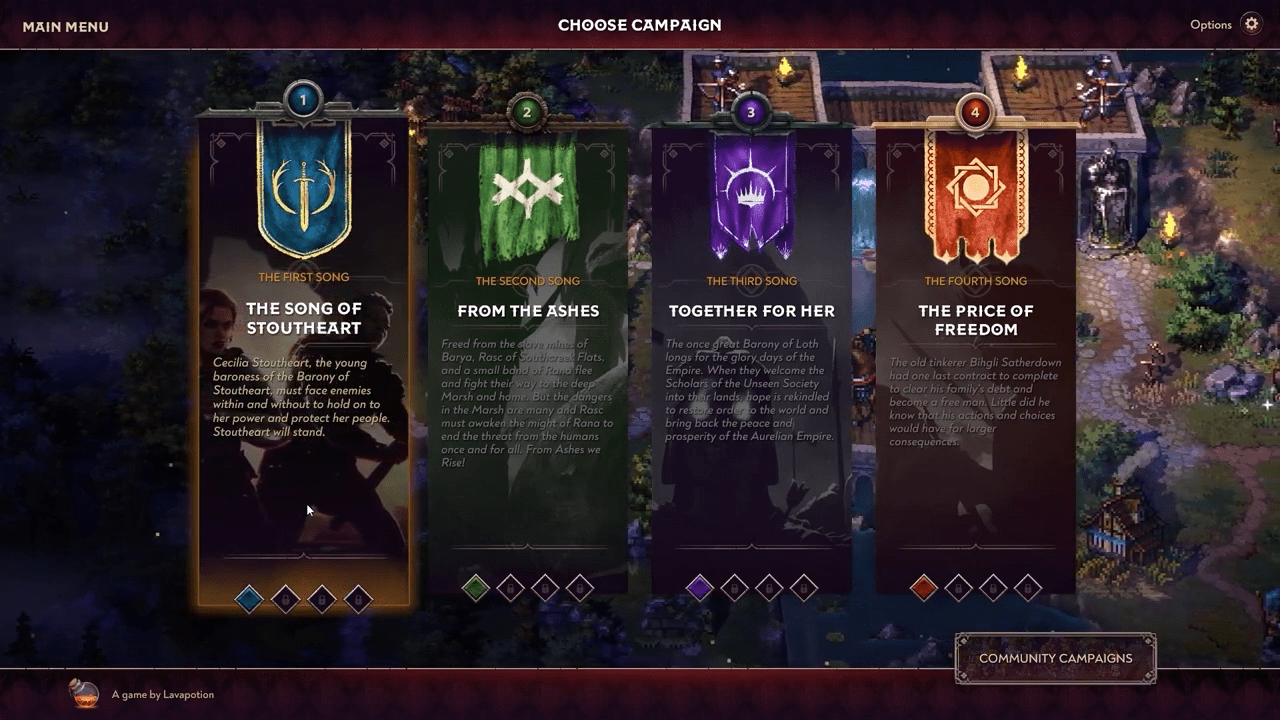
At launch, you choose Campaign or Skirmish, then a map and difficulty. The world map shows resource nodes, neutral camps, and settlements under fog of war.
Use ALT to highlight interactables and move your Wielder to uncover new areas; every turn grants movement points and an action slot for attacks or spellcasting.
Early goals: capture two resource sites for steady gold and food income, then build basic production structures in your town.
With a foothold secured, you’ll be ready to expand your economy and field larger armies.
3. Settlement Slots & Resource Buildings
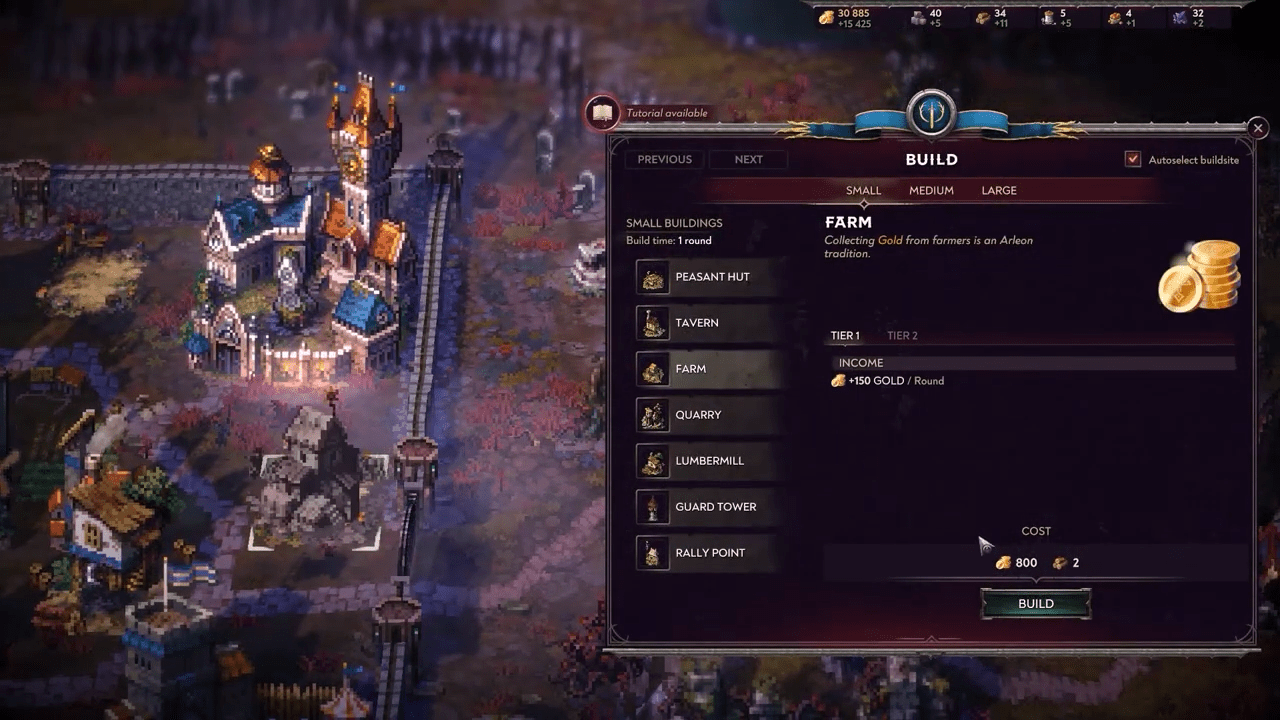
Every controlled town or outpost provides building slots i.e. small, medium, and large for resource production, unit recruitment, or fortifications. So, allocating these slots effectively is crucial for growth, as each slot type dictates which structures you can build.
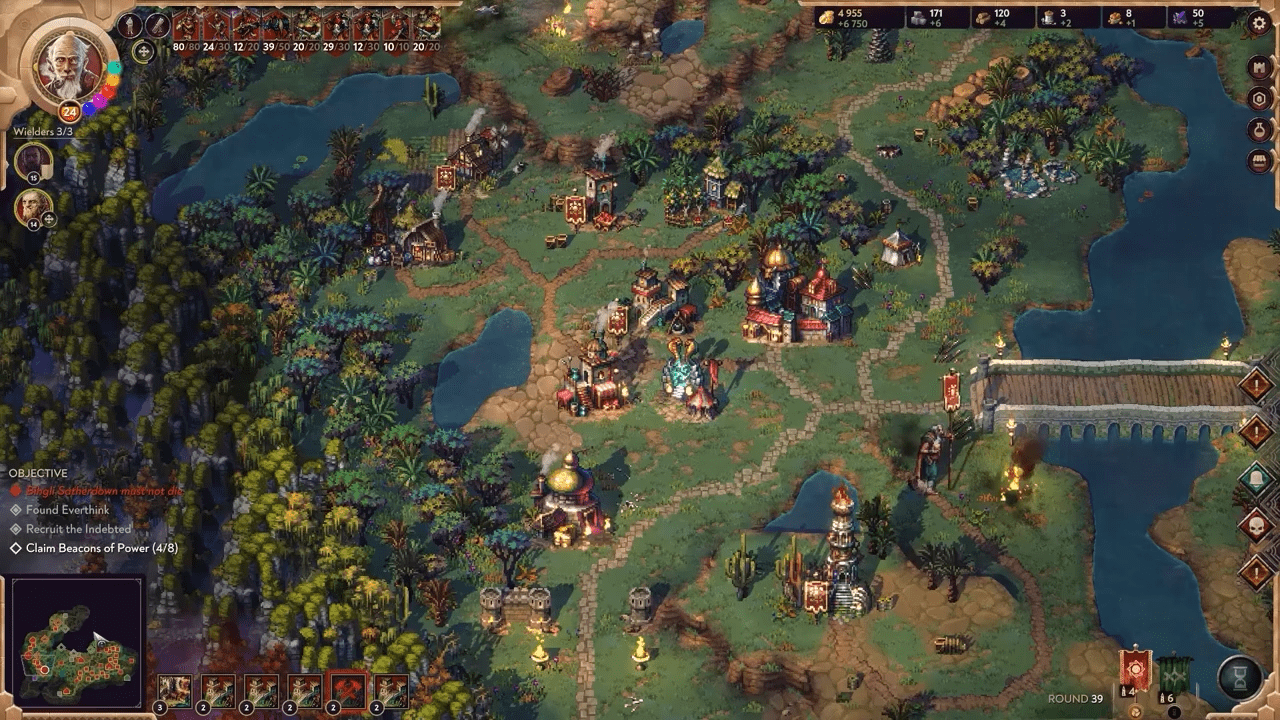
| Settlement Type | Small Slots | Medium Slots | Large Slots |
|---|---|---|---|
| Small Settlement | 2 | 1 | 0 |
| Town | 7 | 3 | 2 |
| Large Settlement | 3 | 2 | 1 |
Use markets (medium) and farms (small) early for gold and food, then add barracks or workshops to unlock higher-tier units and upgrades.
4. Factions & Wielder Roles
Four core factions vie for control: Arleon (knights & fae hybrids), Rana (swampborn beasts & magic), Barya (mercantile tinkerers), Loth (necromantic order). Each faction grants unique units, spells, and Wielder skill trees, shaping your playstyle from aggressive rush to slow siege or magic-heavy builds.
- Arleon: strong melee, rally points, “Invigorate” initiative buff
- Rana: versatile beasts, shaman spells, high mobility
- Barya: ranged tech units, mechanical golems, gold bonuses
- Loth: necro units, summons, life-draining magic
Choose a faction that matches your strategic goals and specialize your Wielder’s mastery accordingly.
5. Combat & Spellcasting Basics
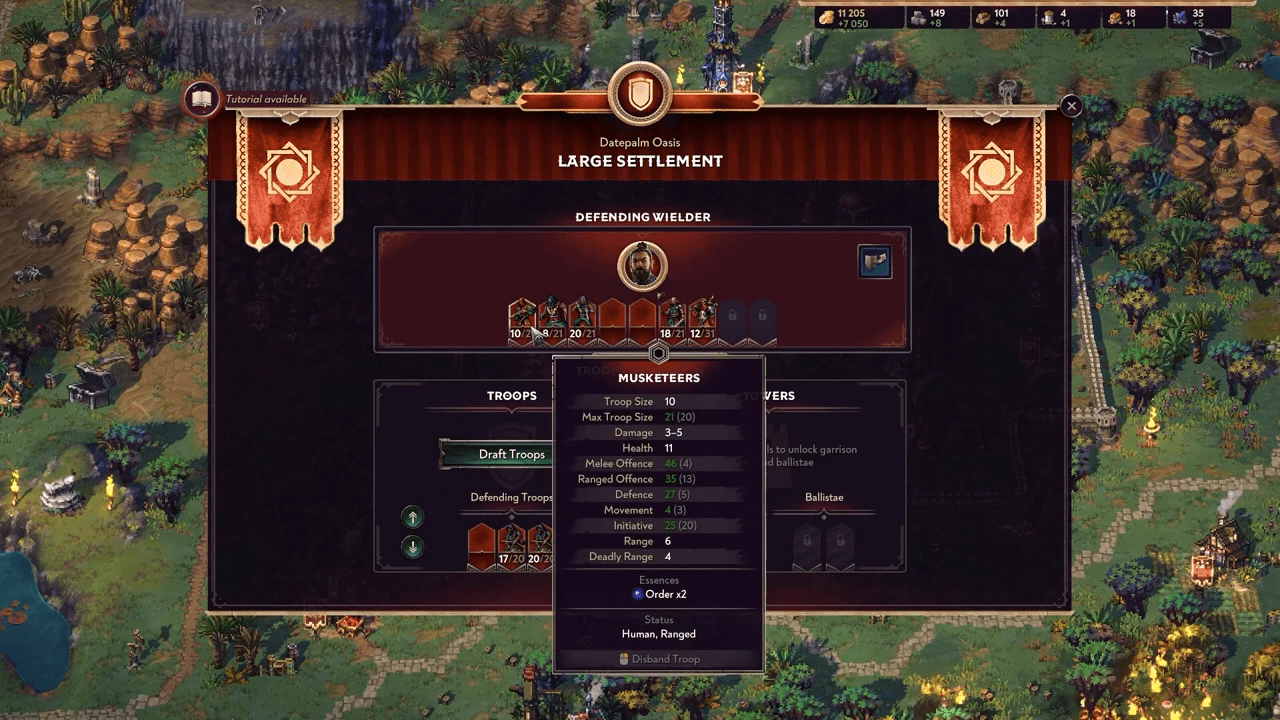
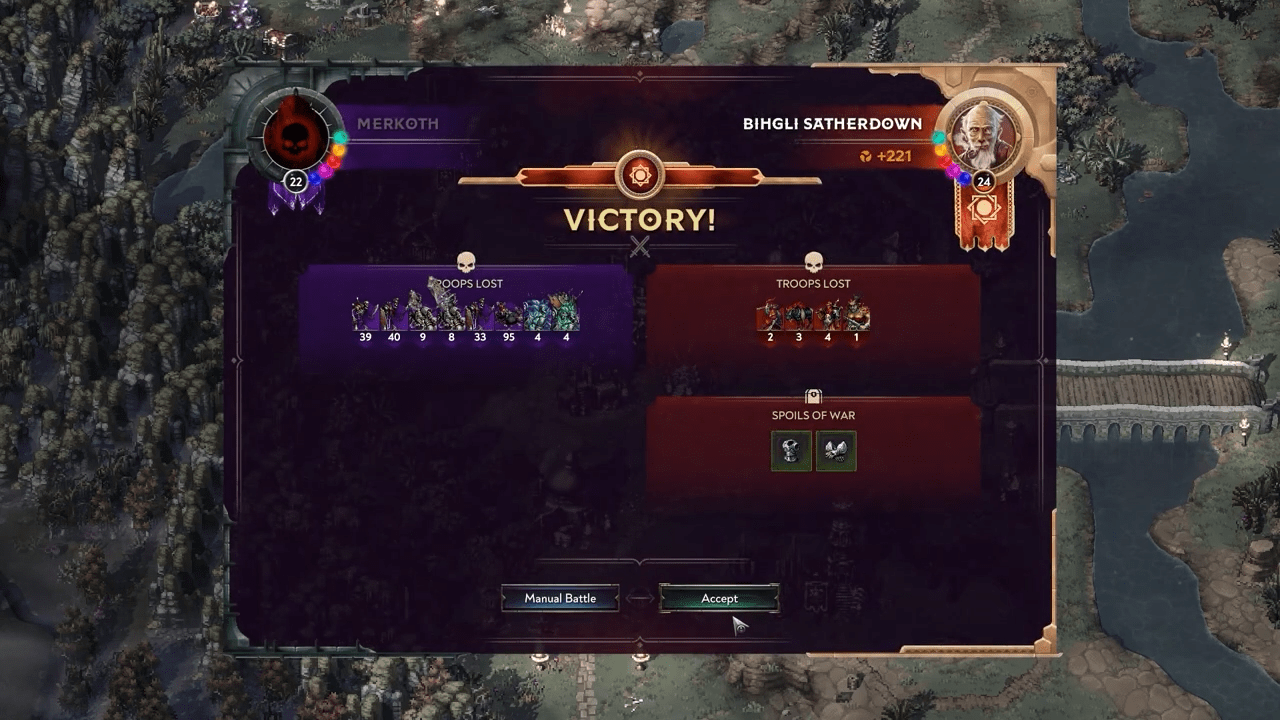
Battles occur on hex grids where unit placement, zone of control, and high ground matter. So, each unit has Offense, Defense, and Move stats; spells add damage, buffs, or debuffs at the cost of Essence and action points. Manual resolution is recommended unless you have overwhelming strength, also auto-resolve can incur heavy losses when armies are evenly matched.
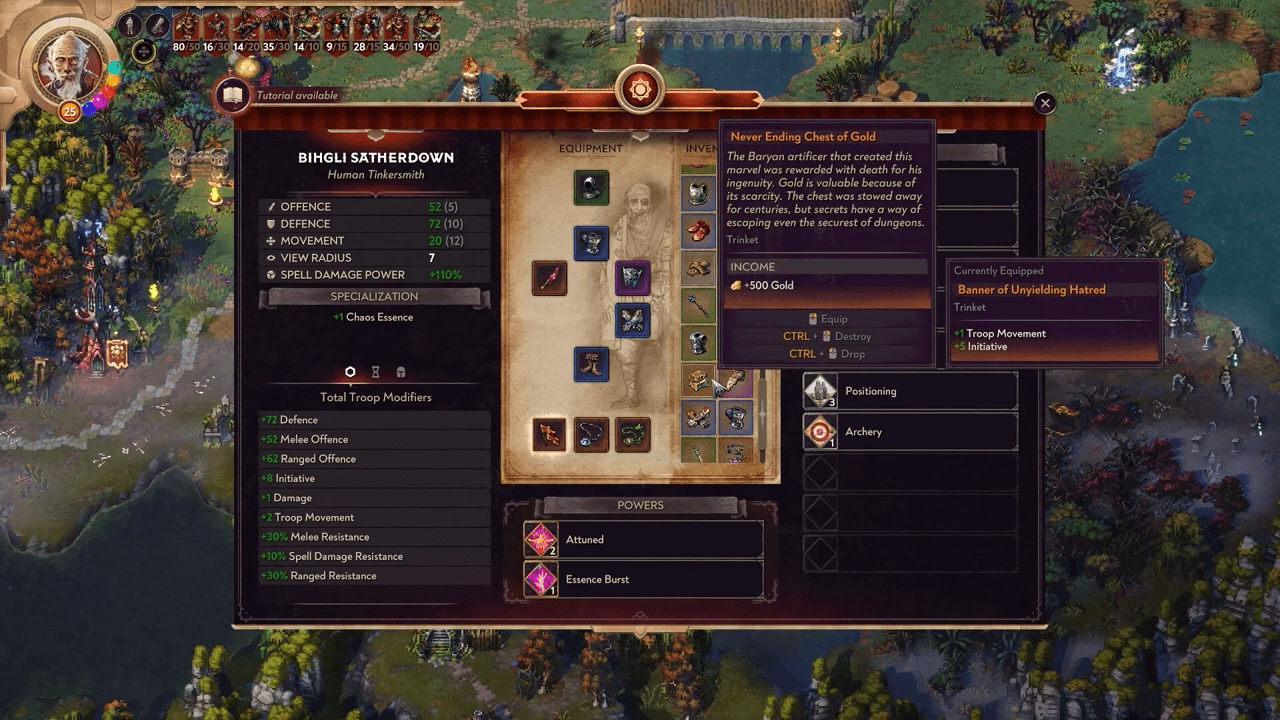
Mastering timing, spell combos, and terrain advantages turns tough encounters into routine victories.
6. Advanced Strategies & Exploration
Exploration fuels your economy and reveals quests, artifacts, and neutral camps. Always keep a secondary Wielder with high Movement, clearing fog of war while your main army engages enemies.
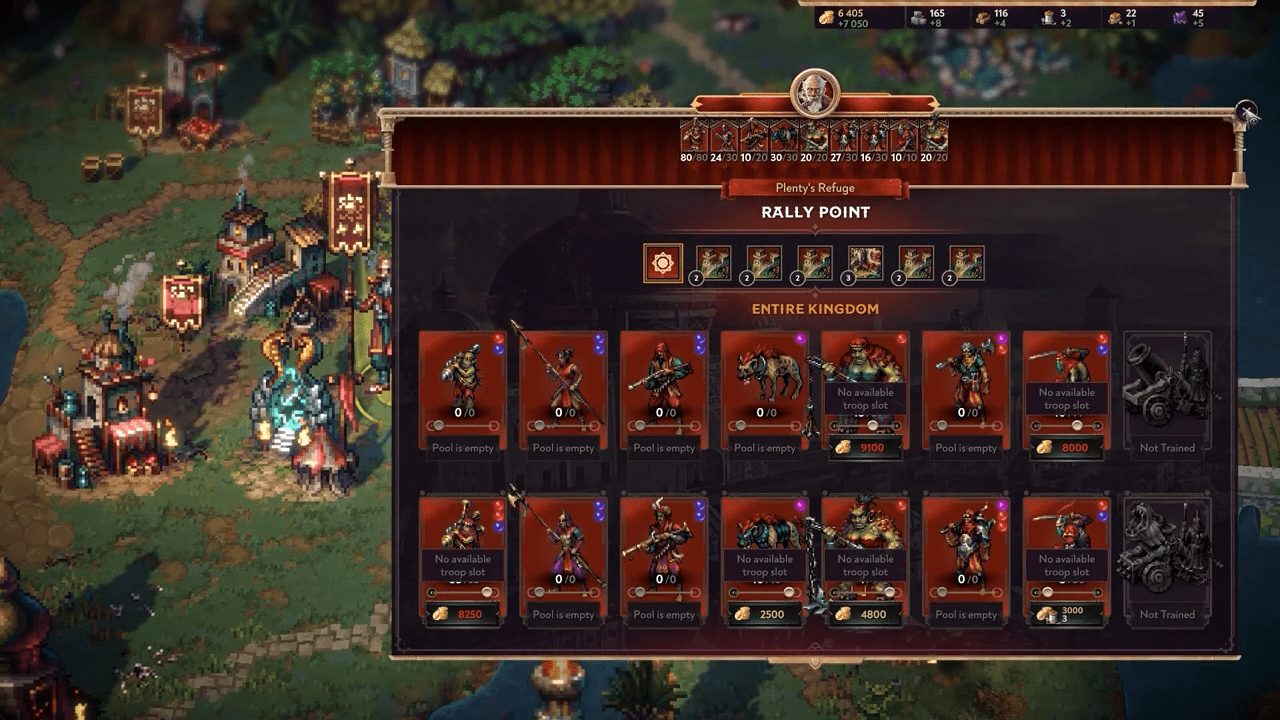
- Visit permanent buffs (boots, essence amulets) to boost stats early
- Clear neutral camps for loot and extra XP, so don’t ignore low-level threats
- Use rally points to reinforce outlying settlements instead of marching units across the map
A purposeful exploration plan lays the groundwork for unstoppable mid-game expansions.
7. Multiplayer & Skirmish Modes
Skirmish and multiplayer support up to four players on random or custom maps.
In co-op vs. AI, share vision and gold via controlled markets; in PVP, control choke points and leverage faction synergy for coordinated assaults.
Communication and role division turn four wielders into a unified conquering force.
8. Case Study: Arleon Early Economy
Arleon’s Markets generate gold when adjacent to farms. A common opener is: build 3 farms (small slots), 2 markets (medium), then a barracks for footmen.
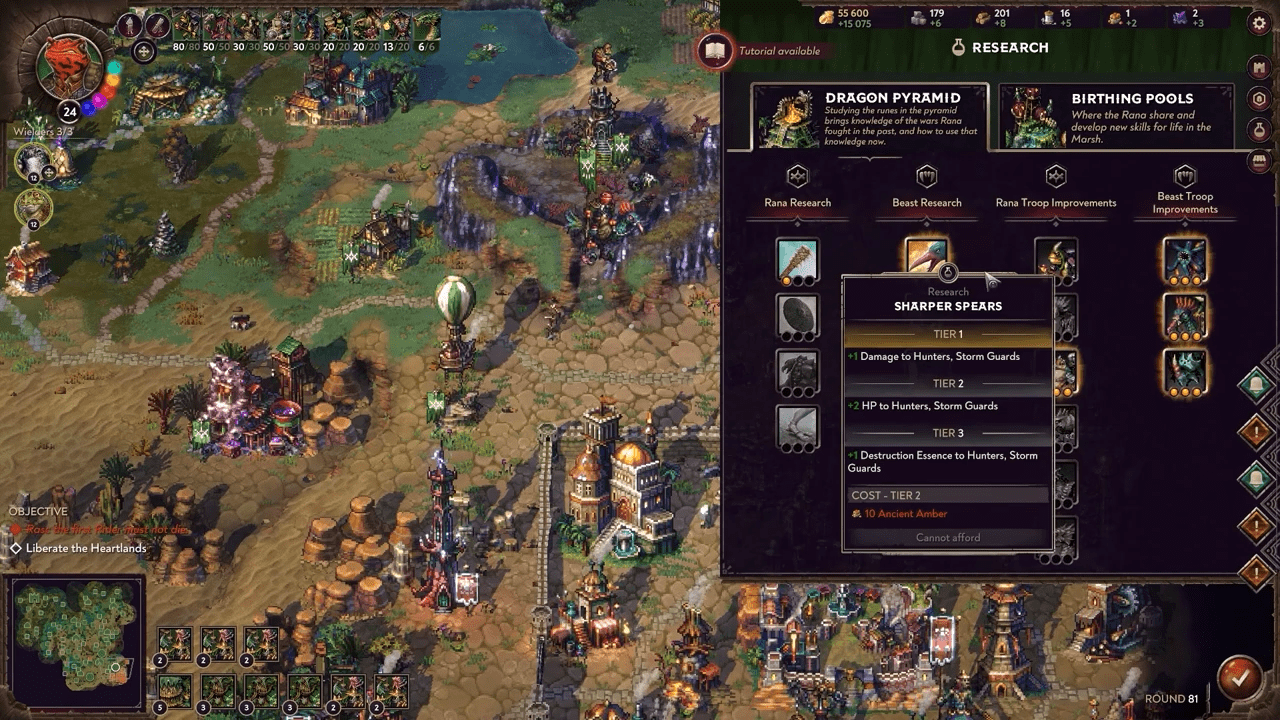
- Capture a stone quarry and build a temple for early XP
- Construct farms and markets to fund unit production
- Train footmen and knights to secure more resource sites
- Research “Invigorate” early to boost initiative and keep attacks coming
This balanced economy-military loop powers Arleon’s mid-game dominance on most maps.
9. Best Practices & Pro Tips
- Always tag new resource nodes before building because unexplored sites can’t be developed.
- Use ALT key to quickly highlight interactables and potential loot on the adventure map.
- Copy successful production/army layouts across maps to save setup time.
- Balance unit offense and defense because overinvesting in either can leave you vulnerable.
- Keep your Wielder close to reserves of essence (mages or battlemages) for critical spellcasting moments.
10. Conclusion

Armed with this guide, complete with settlement planning, faction breakdowns, combat fundamentals, and advanced tactics, you’re ready to forge an empire in Songs of Conquest. Now, jump into a Skirmish, pick your favorite faction, and apply the Arleon opener today: secure farms, build markets, and field footmen to seize your first victory!

Leave a Reply