
Last Updated on 24 March, 2026
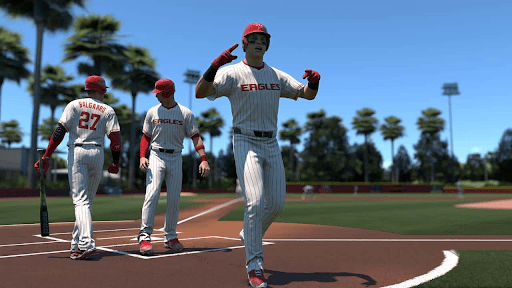
MLB The Show 26 reshapes career progression by placing amateur baseball, long-term development, and legacy-building at the center of the experience. Prospect mode stretches far beyond a simple minor league grind, offering a layered journey that begins in college stadiums and ends in Cooperstown conversations. With expanded systems like organizational depth charts, “Bear Down” clutch mechanics, and dynamic perks tied to performance, every decision matters. The result is a mode that feels alive—where every at-bat, contract decision, and positional battle feeds into a much larger story about becoming one of the greatest players in baseball history.
The Evolution of Prospect Mode in MLB The Show 26
The biggest shift in MLB The Show 26 lies in how Prospect mode frames the player journey as a long-term narrative rather than a quick climb to the majors. Amateur scouting, draft positioning, and early career decisions now carry weight that extends deep into your career. Instead of simply boosting attributes, the system connects performance with reputation, organizational trust, and future opportunities. This makes each phase—college, minors, and MLB—not just a stepping stone but a meaningful chapter in a player’s legacy.
Players begin as unranked prospects, where early performances determine scouting grades and draft stock. Draft position has immediate consequences, with higher selections offering better contracts, stronger signing bonuses, and faster promotional opportunities. Reputation grows through consistent play, influencing endorsement deals and long-term Hall of Fame trajectories. Early career decisions—whether to focus on power, contact, or defensive skills—shape development ceilings, while scouting accuracy varies depending on consistency in showcase events. Organizations assign roles based on expectations, and performance-based promotions ensure advancement is earned rather than scripted. Prospect rankings shift dynamically, contracts vary by negotiation success, and long-term projections evolve depending on how well players meet expectations across seasons.
Expanded College Experience and the Road to Omaha
College baseball now plays a central role, offering a deeper and more authentic amateur experience. Players can choose programs that match their style, compete in full seasons, and aim for the College World Series. This stage builds foundational skills and determines draft buzz. College performance is no longer cosmetic—it directly affects draft boards, sponsorship interest, and future opportunities in the minors.
Choosing the right college program influences exposure, coaching quality, and development bonuses, while stronger conferences provide greater visibility to scouts. The College World Series path, particularly success in Omaha, significantly boosts reputation and draft positioning. Coaching staffs offer unique skill enhancements, and rivalry games attract increased scouting attention. Detailed stat tracking mirrors NCAA-level metrics, feeding directly into draft evaluations and combine events. Pre-draft showcases test abilities in controlled environments, while NIL-style opportunities introduce early earnings and brand-building potential. College years also refine player archetypes, helping define long-term playstyle before transitioning into professional baseball as either a top pick or a sleeper prospect with something to prove.
Organizational Depth Charts and Playing Time Strategy
Understanding team depth charts becomes critical for progression. Each MLB organization has layered rosters, and your position determines how quickly you rise. Choosing a team stacked at your position can delay promotions, while joining a weaker depth chart opens faster paths to the majors.
Every roster spot is contested by AI-driven players whose stats evolve over time, creating constant positional competition. Minor league assignments depend not only on skill level but also organizational needs, making some paths more crowded than others. Being blocked by top prospects can limit opportunities, forcing players to either outperform expectations or wait for trades. Strong performances may trigger trade scenarios that better align with career goals, while multi-position flexibility increases playing time. Injuries within the organization can open unexpected opportunities, and AI-driven roster decisions adjust lineups dynamically. Role specialization shapes how players are developed, while promotion timing depends on consistency and team requirements. Long-term organizational fit ultimately determines whether a player becomes a franchise cornerstone or remains stuck in development cycles.
Bear Down Situations and Clutch Gameplay Mechanics
“Bear Down” situations introduce high-pressure moments that define careers. These scenarios amplify tension, rewarding players who perform under stress. Success in these moments unlocks boosts, while failure can stall progression.
High-leverage at-bats and critical pitching situations directly influence reputation and attribute growth, especially when games are on the line. Momentum-based gameplay systems track performance swings, impacting team morale, and individual confidence ratings. Dynamic difficulty scaling adjusts challenges based on past performance, ensuring that clutch moments remain intense and meaningful. Reward multipliers increase experience gains for success, while psychological pressure systems simulate the mental strain of high-stakes baseball. Fan reactions and crowd energy amplify the atmosphere, particularly during rivalry matchups. Postseason Bear Down events carry even greater rewards, making playoff performances essential to legacy-building. These moments often become defining highlights that shape a player’s career narrative and Hall of Fame candidacy.
Dynamic Perks and Player Growth Systems
Dynamic perks allow players to customize their development path. These perks evolve based on performance, creating a feedback loop between gameplay and progression.
Perks unlock through consistent statistical achievements, offering targeted enhancements in areas such as power hitting, base running, or defensive efficiency. Some perks provide temporary boosts in specific situations, while others deliver permanent upgrades that shape long-term growth. Synergies between perks create unique playstyles, allowing players to specialize or become well-rounded athletes. Progression trees introduce branching upgrade paths, giving players control over development direction. Training sessions further enhance perk effectiveness, while slump recovery mechanics help stabilize performance during difficult stretches. Elite-tier perks unlock only after sustained excellence, reinforcing the importance of consistency. Customization depth ensures that no two players develop identically, and perks play a significant role in determining how long a player remains competitive at the highest level.
The Minor League Grind and Development Strategy
The minors are no longer repetitive—they are strategic environments where growth decisions shape your future. Each level introduces new challenges and expectations.
Competition scales with each level, increasing difficulty as players climb through the system. Coaching staffs provide unique development bonuses, influencing how quickly skills improve. Training schedules require careful balance between workload and recovery, while performance benchmarks trigger promotions. Travel systems introduce fatigue, affecting gameplay and recovery times. Statistical milestones unlock recognition and additional benefits, while morale tracking influences consistency. Team chemistry enhances overall performance, creating synergy within rosters. Position battles determine playing time, ensuring that every opportunity must be earned. The transition to MLB readiness is determined by comprehensive evaluations, making the final call-up a culmination of sustained effort and strategic growth.
Legacy Tracking and Hall of Fame Metrics
Legacy tracking ties every stat and achievement to your Cooperstown candidacy. The system evaluates performance across an entire career.
Career stat accumulation—including home runs, ERA, and advanced metrics—forms the backbone of legacy evaluation. Awards such as MVPs and Cy Young honors significantly boost Hall of Fame chances, while milestone achievements further strengthen a player’s case. Postseason performance carries additional weight, emphasizing the importance of delivering in critical moments. Longevity metrics reward sustained excellence over multiple seasons, while historical comparisons measure players against real baseball legends. Narrative elements also play a role, as storylines and reputation influence perception. Fan popularity contributes to legacy scoring, and franchise loyalty can add additional value. Final ballot evaluations consider all factors, determining whether a player’s career is worthy of Cooperstown induction.
Storytelling Through Career Progression
The Show 26 builds a narrative-driven experience where every decision contributes to a personal baseball story. The journey feels unique for each player.
Personalized career arcs ensure that no two playthroughs unfold the same way, beginning as early as the MLB mock draft, where player projections and team selections set the stage for each unique journey. Rivalries develop organically over time, while media interactions influence reputation and opportunities, and contract negotiations reflect both performance and market demand. Injury comebacks add emotional depth, creating moments of adversity and resilience. Breakout seasons can shift career trajectories dramatically, transforming unknown prospects into stars. Veteran leadership roles emerge later in careers, influencing team dynamics and mentorship opportunities. Achieving franchise icon status solidifies a player’s place in team history, while retirement decisions shape legacy outcomes. Post-career recognition, including Hall of Fame induction, serves as the ultimate conclusion to a carefully built narrative.
Maximizing Your Path to Cooperstown
Success in Prospect mode requires strategic planning and consistent performance. Every phase of the journey offers opportunities to build a Hall of Fame career.
Choosing between college and immediate entry into the draft shapes early opportunities, while optimizing training and perk combinations enhances development efficiency. Monitoring depth charts helps avoid being blocked by stronger players, ensuring a clearer path to the majors. Excelling in Bear Down situations accelerate growth and reputation, while maintaining consistency prevents setbacks. Building a strong reputation opens doors to better contracts and opportunities, and targeting key statistical milestones strengthens legacy potential. Leveraging team fit ensures alignment with playstyle, while adapting to increasing competition keeps players competitive. Sustaining excellence across an entire career remains the most important factor in securing Hall of Fame induction.
Prospect Mode’s Appeal to Baseball Fans
Prospect mode resonates with fans who enjoy following real-life player development. It mirrors the excitement of tracking young talent and projecting future stars.
The system delivers realism in player development, capturing the nuances of scouting and progression found in professional baseball. Detailed statistical tracking enhances immersion, while strategic decision-making keeps players engaged over long careers. The mode’s structure encourages long-term investment, rewarding dedication and performance. Authentic baseball elements create a grounded experience, while replayability ensures each journey feels fresh. Emotional investment grows as players connect with their created athlete, and competitive systems reward both skill and strategy. The result is a deeply immersive simulation that reflects the essence of baseball development.

Leave a Reply