

Last Updated on 5 December, 2025
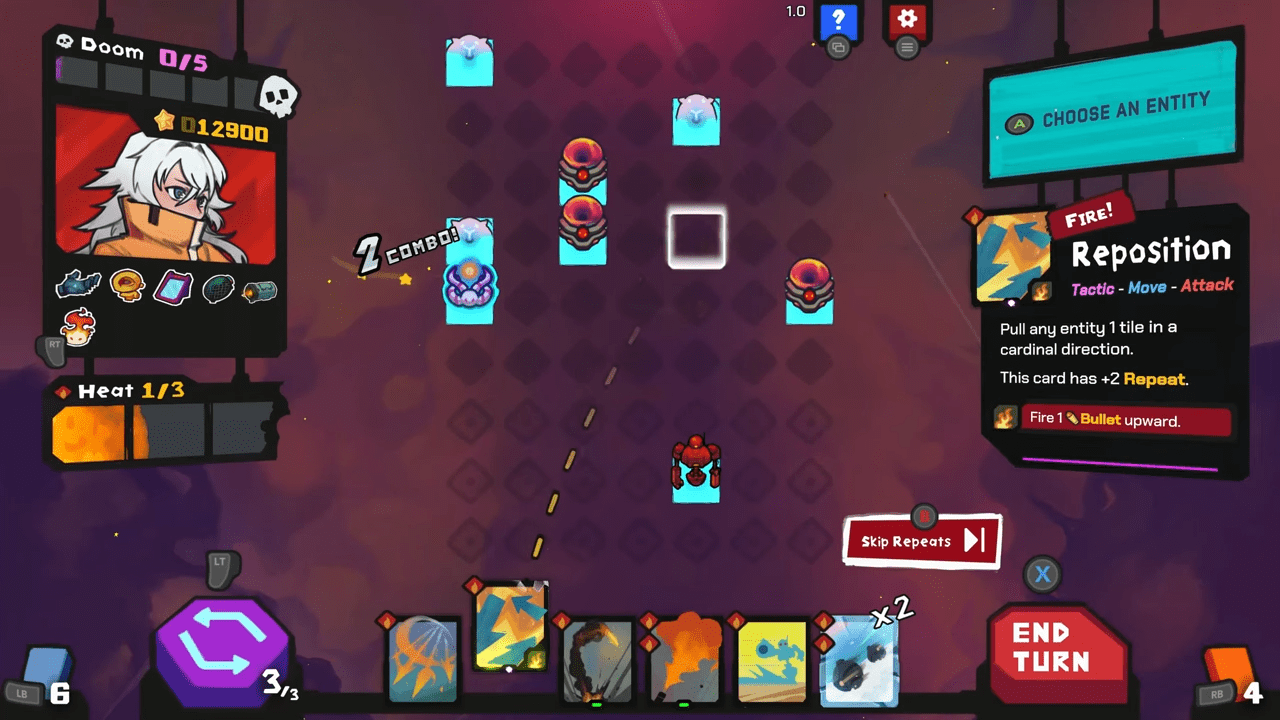
Imagine if Space Invaders had a baby with Slay the Spire, and that baby grew up playing Into the Breach. That is StarVaders in a nutshell. A fast-paced, grid-based tactical deckbuilder that demands you break its rules to survive. Success requires more than just picking good cards or artifacts. You must understand multiple factors to improve your winning chances in every encounter. The game demands that you look beyond simple upgrades and focus on specific interactions.
Our guide provides a comprehensive breakdown of the mechanics, strategies, and pilot-specific nuances you need to conquer the game. We derived these insights from our expert gameplay and community analysis. Whether you favor the Gunner, the Stinger, or the complex Keeper, this guide covers the essential tactics to secure a win.
Table of Contents
Core Philosophy and General Tips

Before we dive into specific mechs, you must master the fundamental rules that apply to every run. StarVaders differs from other deck-builders. You cannot play passively.
1. Positional Awareness and Resource Management
You must position your units with your next turn in mind. The game provides vast information about the future state of the board. Almost all enemies behave consistently. You can click your draw pile to see exactly what remains in your deck. You must play to the highest probability that your next turn will go smoothly. Furthermore, manage your resources carefully. Do not spend everything at once. Plan your moves ahead. If you lack a concrete plan, return to the Center. The center of the board usually offers the highest probability for reaching enemies on the following turn.
2. Drafting Your First Cards
Your first two card picks dictate the flow of your early game. You must weigh rarity, synergy, and upgrade potential equally. Aim for a pair of cards that possess strong synergy. If you cannot find a perfect pair, choose the cards with the highest potential ceiling. When you feel unsure, select cards that push or pull the enemy. Repositioning offers extreme strength and flexibility in this game. Galeforce serves as perhaps the strongest common card available because it manipulates enemy positions so effectively.
3. Break Your Build
The most important tip for StarVaders involves creating broken combos. The game allows for incredibly powerful interactions. You rarely view these combos as optional. They act as a requirement for success. You should prioritize rare cards and artifacts over simple card upgrades. You need game-changing effects. If you see the card Storm Chaser, you should take it immediately. This single card fixes most build issues and can instantly win almost any fight that has holes in the enemy defense.
4. Strategic Deck Size
Many roguelike players aim for tiny, perfect decks. StarVaders challenges this habit. Enemies frequently put garbage cards into your deck during battle. These junk cards ruin perfect combos and card ratios. A deck size of 12 to 15 cards usually feels best. This size provides enough options to dilute the garbage while maintaining consistency. You should not fear taking cards you do not strictly need right away. Draft cards that help you out of sticky situations or hold future potential.
Gunner Mech Strategy

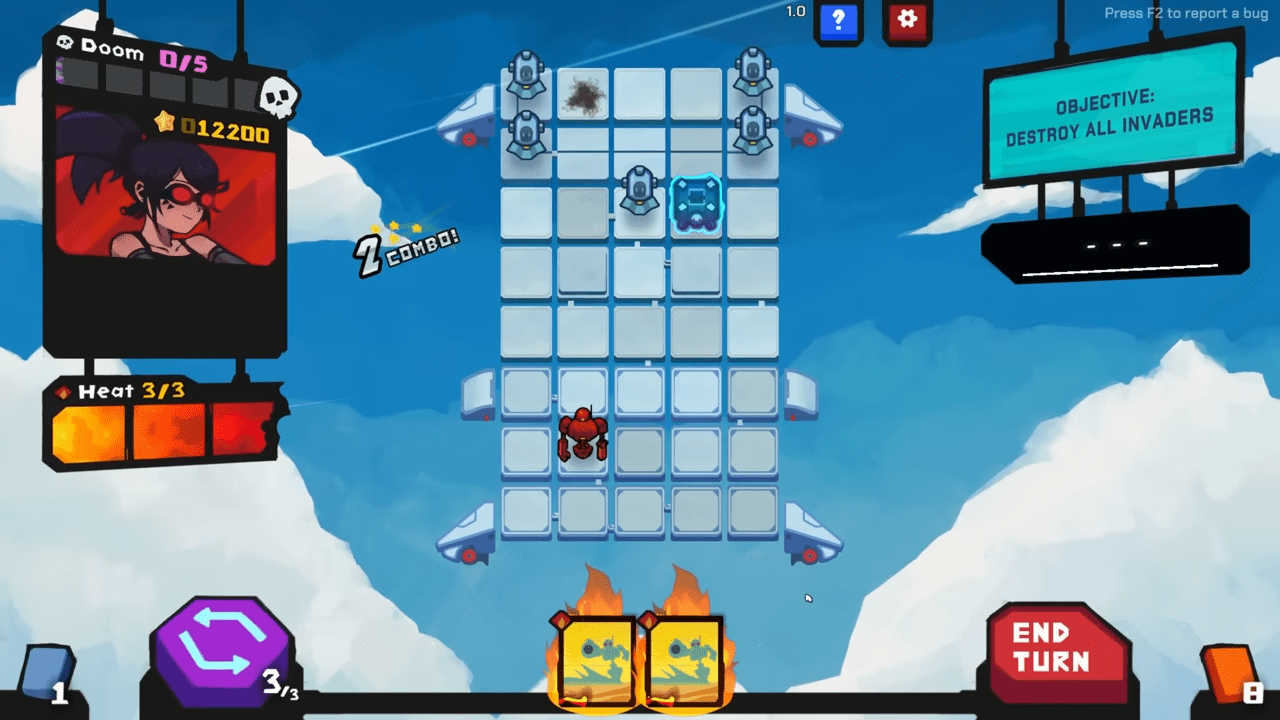
The Gunner serves as your starting mech. It features a straightforward playstyle with few inherent gimmicks. However, simplicity does not guarantee safety.
Movement and Positioning
The Gunner starts with only two movement points. This limitation often leaves you in poor situations. Reckless play will strand you behind enemy lines. Drafting better movement options, such as Dodge, serves as a great idea to mitigate this weakness. Upgrading cards to include movement effects is also a fantastic strategy. Be deliberate and careful.
Build Archetypes
Gunner builds generally fall into two categories: Shooting or Bombs. You must identify which direction you are building toward early in the run. Find the payoff options for your chosen path as soon as possible. Building for both simultaneously works fine, but you need a core focus. Focus heavily on drafting artifacts. Artifacts smooth out the Gunner experience and often dictate the direction your build requires.
Endurance
You must estimate how much longer a fight will take before you start burning cards like crazy. Running out of options happens easily with the Gunner. This danger becomes especially relevant in higher difficulties and during the True Ending. If you feel doubt about your power level, look for the Engi-89 or Sonicboom artifacts. These items possess enough strength to carry entire runs.
Roxy: The Starter Powerhouse
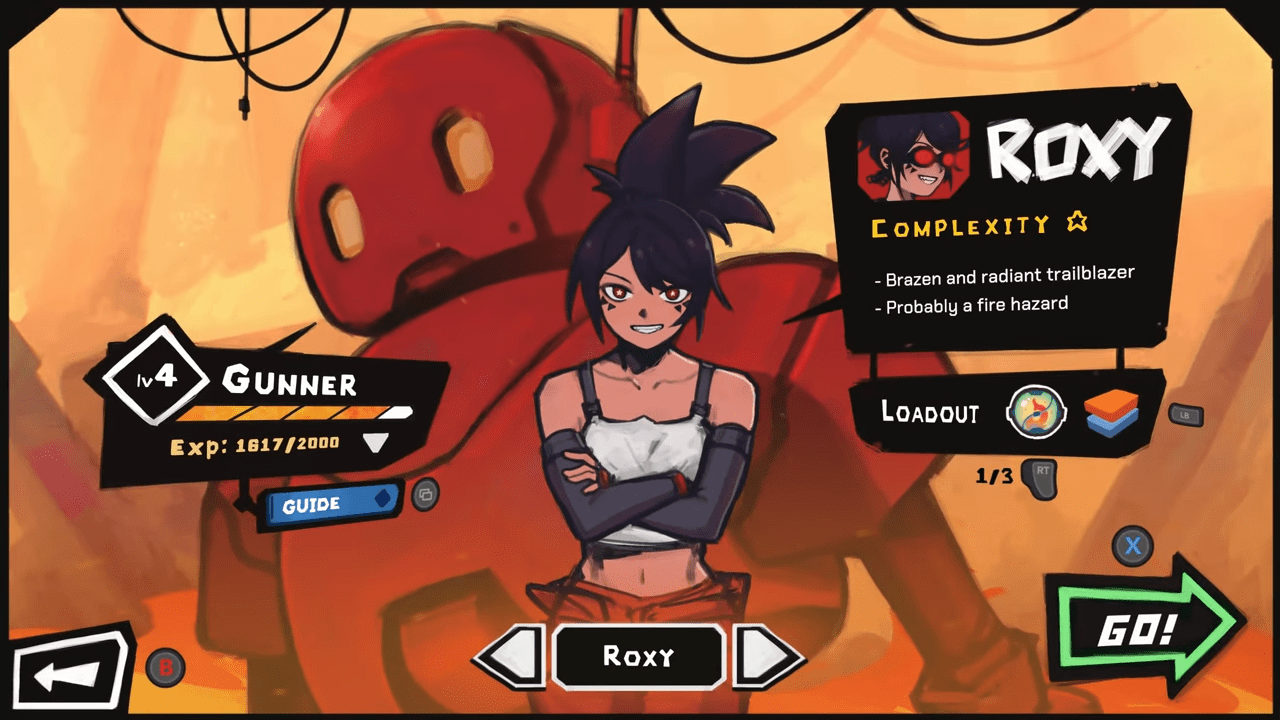
Roxy functions as a straightforward first character. Her starting cards are decent, with Tripleshot acting as the highlight.
The Power Turn Strategy
Roxy’s starting artifact may seem weak at first glance. It is actually quite good. Battles usually present a specific turning point where you need a massive power turn to clean up the board. Roxy provides this capability exactly once per battle. However, you must note that this ability does not scale well into the late game due to the increasing length of fights.
Drafting for Roxy
Roxy dominates the early game. You should take risks during this phase to prepare for the future. Draft for potential rather than immediate survival. Her late game is poor, so your deck build must do all the heavy lifting.
Utilizing Junk Cards
An important tip for Roxy involves junk cards. These cards act as her best friends. Generally, adding cards to your deck just to burn them for her artifact feels bad because you might brick your draws. However, junk cards purge themselves on use. You can use junk cards to trigger her artifact without removing real cards from play. Look for artifacts and cards that strike you or add a Jam to your deck instead of costing energy. You can use these Jams as fuel. Cards like Flamethrower, which burn another card to activate, also synergize well with this strategy.
Noel: The Combo Queen
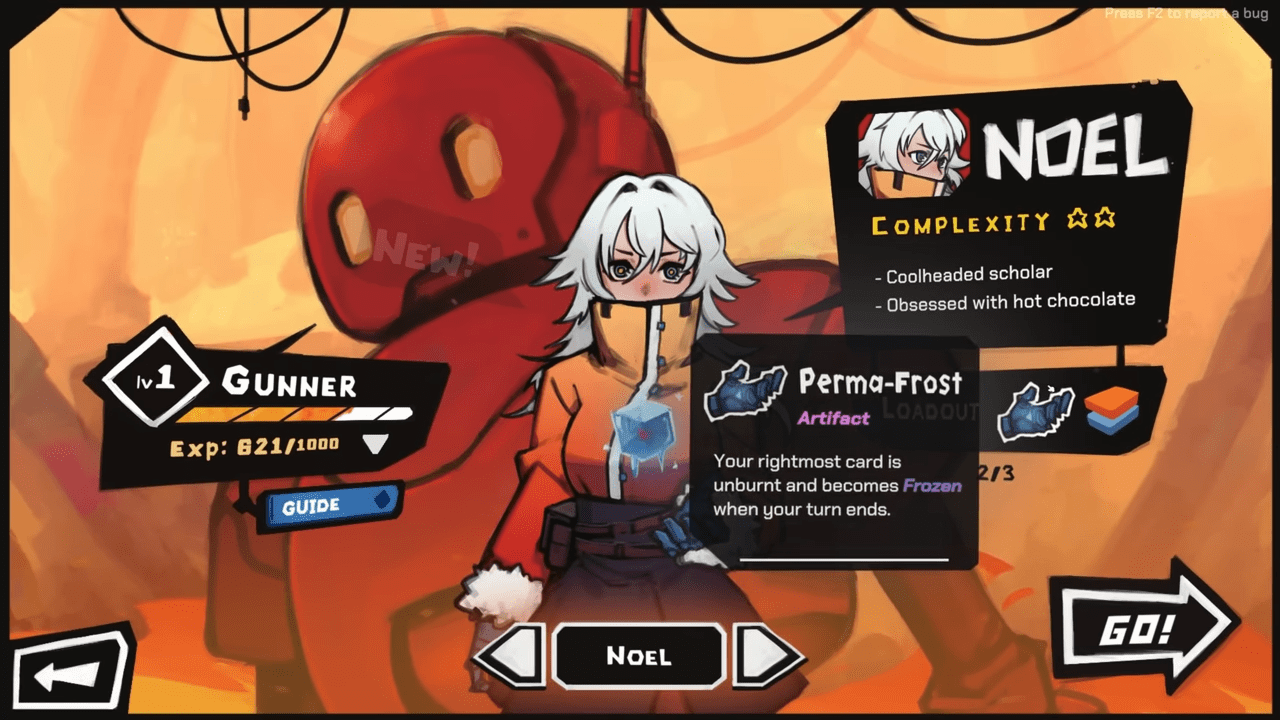
Noel specializes in combos. Her ability allows her to freeze cards to hold onto between turns.
Maximizing the Freeze Ability
You might forget about Noel’s ability if your draw is good. However, her utility shines in the late game. You can burn cards with confidence because you know you can retrieve them later. She makes combos work. In fact, she needs combos to be worthwhile. Her starting cards are interesting, but Flurry Fire lacks control. Upgrading Flurry Fire with movement helps significantly. Avoid the random targeting freeze card unless you have an extremely specific build, as it is generally bad.
Build Examples
One effective Noel build involves the Annihilation card. This card explodes a bomb with a larger radius but burns adjacent cards. If you combine this with the Nemesis artifact, which spawns a random bomb every turn, you create a massive damage source. Noel’s ability mitigates the downside of Annihilation. Another strategy involves freezing combo pieces like Dodge, Rush, Bomber Mech, and Misfire. In the late game, look for Flash Fire and Fire Everything. You can freeze these key cards and release them only when you need to clear the entire screen.
Zeke: The Challenge Run
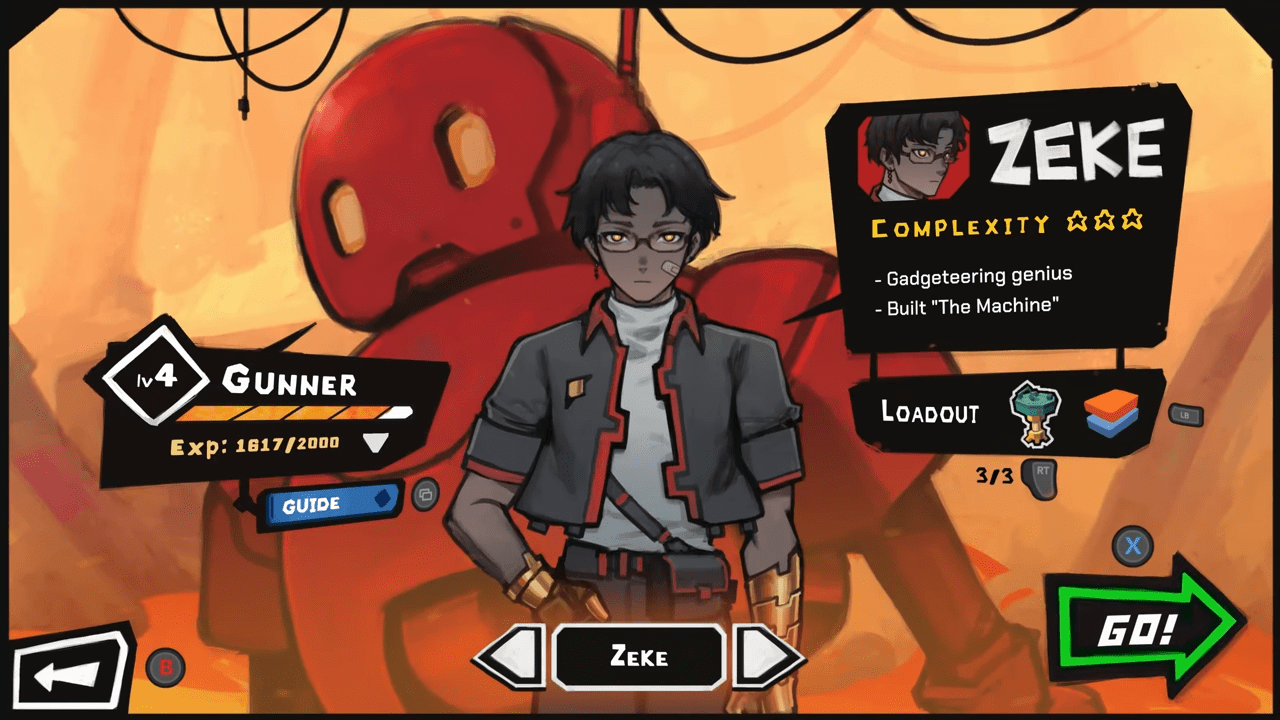
Zeke is widely considered the weakest character.
Understanding the Weakness
Zeke’s ability creates extra pushes, shots, and energy. While this sounds good, the lack of consistency hurts. His ability essentially lets you avoid fully burning cards. This allows you to use burn cards freely if you have them augmented. The main issue lies in his starting deck. The developers made his deck purposefully bad to force you to use his ability constantly.
Survival Tips
Zeke suffers from an incredibly weak start. You must find good character-specific artifacts and combo cards to survive. Like Noel, upgrading Flurry Fire with movement is very good.
The True Ending Warning
Do not remove the Tinker card if you are attempting the True Ending. The final fight is too long and difficult to play without burning cards. Eventually, you will run out of cards that can activate your ability. You need Tinker to maintain fuel.
Victory Condition
One successful strategy relies on the combination of Sonic Boom, Aegis Bomb, and Reposition to carry the run. In this scenario, his specific abilities simply support these stronger artifacts.
Stinger Mech Strategy
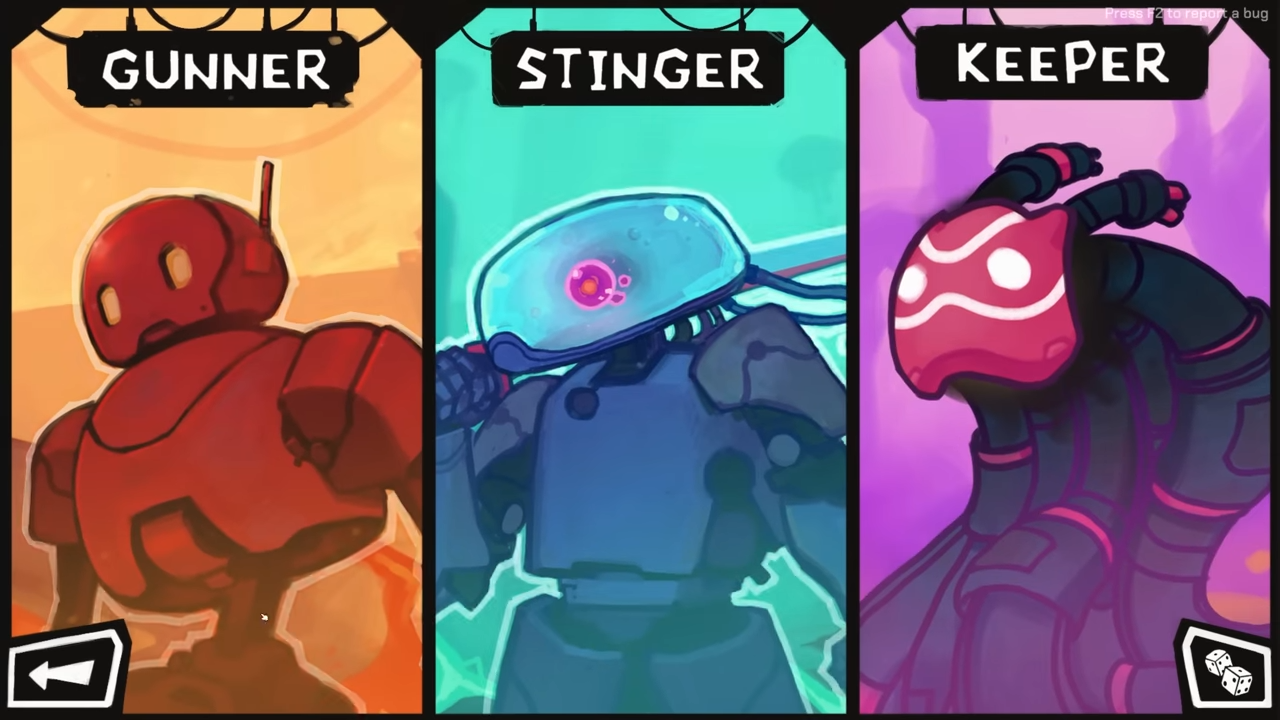
The Stinger is a melee ninja mech. This mech focuses on big turns and energy generation.
Comparison to Gunner
Compared to the Gunner, the Stinger feels more fair. Its combos and payoffs are typically less egregiously strong. However, the Stinger offers consistent reach and energy generation. This mech survives with less degenerate combos because it covers its issues with superior mobility.
General Tactics
The Stinger enjoys a strong early game. You must ensure you do not waste all your energy at once. This mech strongly prefers cards that move enemies. You want to line enemies up or pull them out of doom zones. You can easily construct decent combos with Flow synergy cards to steal strong turns.
Artifacts and Curses
The Stinger relies less on broken artifacts than the Gunner. If you want to break the game, look for cards rather than items. Fried Shields acts as the best neutral artifact for this mech. Ambush is a common artifact that makes the early game very easy. Additionally, if you ever find the curse that drops three cards randomly, take it. This curse activates Flow, which benefits the Stinger greatly.
Card Note
Judo Toss stands out as a favorite card for many players due to its utility.
Shun: The Shock Specialist

Shun serves as the basic Stinger pilot. He functions as the main character for shock synergy cards.
Shock and Energy
Shun appeals to players who value consistent shock application. This generates consistent energy. He can make most builds work early because this energy generation covers tactical mistakes. Kunai is a great Flow enabler for Shun. You can also use Kunai to throw away cards you do not need.
Scaling Issues
Shun generates significantly less significant energy later in the game. The number of enemies increases, making it difficult to reach everyone with shock every turn. You need to scale up your damage to survive the True Ending. Shun lacks many great exclusive cards, but neutral shock and flow synergies work perfectly for him. You can draft any legendary and build around that. Shun feels like the only pilot who actually plays with Stinger cards, while the others do their own thing.
Key Cards
Electrokinesis acts as a great exclusive card for Shun. Overshield combined with the draft pack that gives you shields creates an insanely fun and effective build. When combined with Legendary Electro cards, this strategy can lead to infinite loops by the end of the run.
Hali: The Free Attack Master
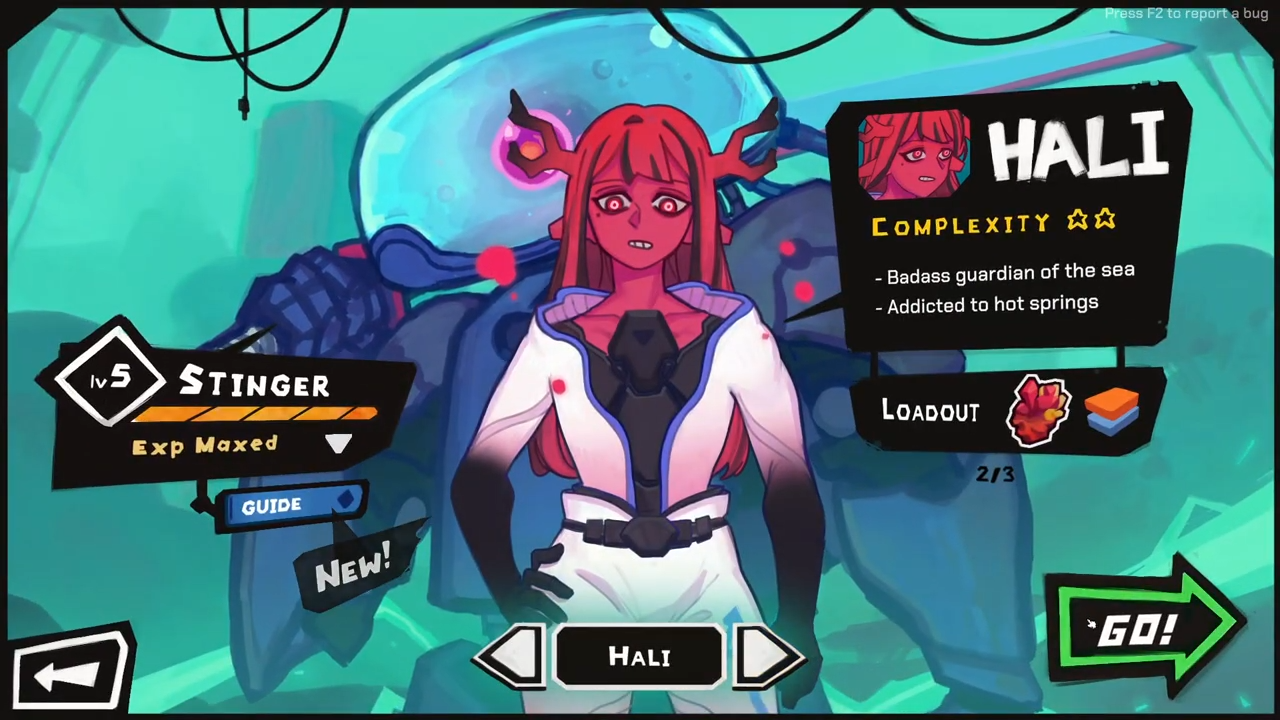
Hali ranks as one of the best characters in the game.
The Advantage
Having free attacks every turn provides immense value. When you combine this with her synergistic options, her power level becomes crazy. Hali enjoys an incredible early game. She possesses very good exclusive cards and items.
Simplicity
Hali requires little explanation. Her kit is intuitive and powerful. You will figure her out quickly. Most of her builds end up looking similar because her core mechanics are so dominant.
Kaia: The Trap Tactician
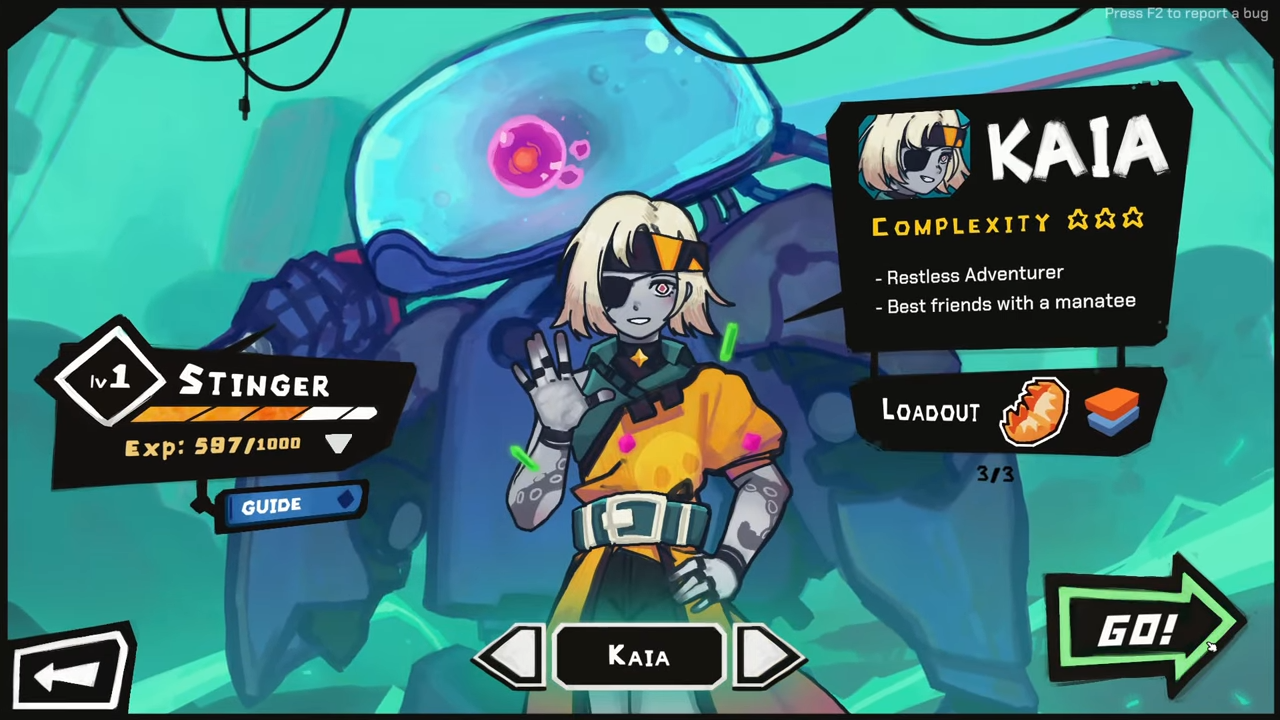
Kaia plays a unique game that focuses on leaving cards on the ground.
Trap Mechanics
Kaia’s synergy revolves strictly around floor cards. You must understand a specific rule regarding her ability. Triggering a trap on your turn means you moved or pulled an enemy onto the trap. It does not count if you personally step on the trap and pick the card up.
Synergies
Kaia loves the curse that drops cards. She also benefits strongly from the Ambush artifact. Her gameplay style feels very fun and specific. She barely plays the same game as the other pilots. You should prioritize cards that move enemies, like Zap.
Warning
Avoid the curse that gives a shield every turn if you can help it. Kaia deals most of her damage on the enemy turn. You typically will not be hitting enemies twice, so the shield curse offers little value.

Keeper Mech Strategy

The Keeper is weird. It forces you to wrap your brain around a truly unique way to play. The developers created a robust and complex class here.
General Keeper Tips
Because the Keeper is so complicated, general tips are more useful than specific build guides.
Puppet Mastery
Remember that your puppet’s movement counts as a hit. Using puppets for one-for-one trades is a fine strategy. Also, remember that your puppets are no longer you once you summon a new puppet. Using unpossessed puppets will not give you any Jams.
Spells and Summons
Do not forget your spells. Players often forget to use them in the heat of battle. Certain builds rely on a summon that purges itself. Finding ways to recur these power summons is a clear path to victory. The Magic Mirror is excellent for this purpose.
Survival
The third boss will unironically be your hardest challenge. You must plan around ways to keep your summons alive during this fight. Also, you should avoid the curse that summons flies if possible.
Iris: The Spell Summoner
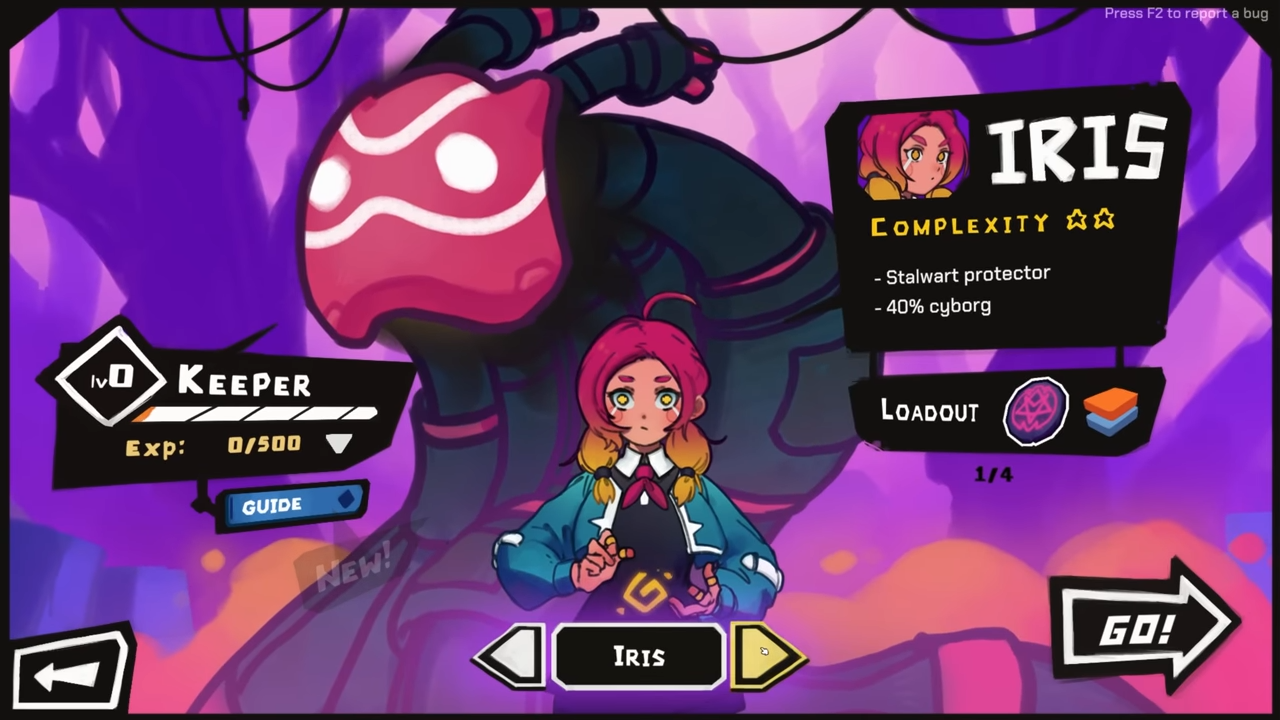
Iris can be strong, but she requires momentum.
Early Game Weakness
Iris suffers from a weak early game. Her ability only triggers on spells. This pushes you toward gathering as many spells as possible. Consequently, you have fewer early cards, which is exactly where she struggles the most. Balancing your deck is tight at the beginning.
Shield Breaking
Her biggest weakness involves breaking shields. You must focus on ways to do this consistently. You want early attack cards. The limit on the number of summons you can crash into enemies makes you weak early on. You should go for a solid attack card first before anything else.
Key Cards and Upgrades
Blast serves as your bread-and-butter card. Remember that you can just crash your summons if needed. Avoid using Blast to kill individual invaders unless you are trying to avoid a Jam from your Haunted summon. The Zombie upgrade is the best choice here because it lets you chain sacrifices and break shields.
The Carry Card
Death’s Touch can carry an entire run. This card provides the ability to turn a sacrifice outlet into a board wipe. This interaction is insanely strong and solves many of Iris’s tactical problems.
Conclusion
StarVaders is a game of breaking rules and finding synergies. Whether you are using the Gunner’s brute force, the Stinger’s agility, or the Keeper’s complex summoning magic, success comes from planning ahead and recognizing the potential in every card. Every card and artifact holds the potential to break the game. Dive in, experiment with these strategies, and find the combo that drives the enemies crazy.


Leave a Reply