
Last Updated on 8 October, 2025
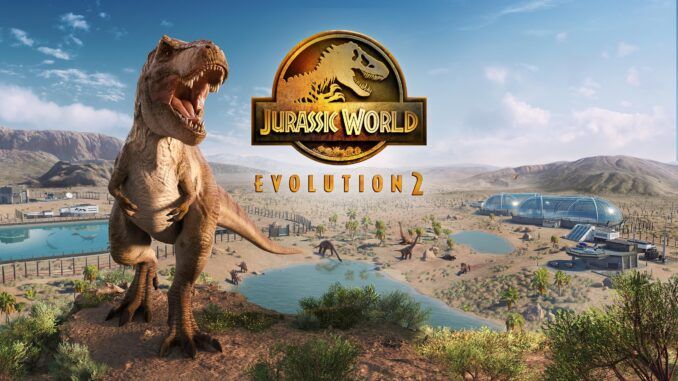
Welcome to your ultimate guide to Jurassic World Evolution 2. Over the course of our article, we’ll walk you through everything from core systems like genomes, needs, and enclosures to advanced strategies around containment, emergencies, optimization, and progression. Whether you’re just starting or trying to master hard Challenge or Chaos Theory maps, this guide aims to equip you with a structured roadmap, deep mechanics understanding, and strategic insights for building a stable, and spectacular dinosaur park.
- 1. Game Overview
- 2. Core Facts Table (Quick Reference)
- 3. Core Systems and Mechanics (Genomes, Needs, Enclosures)
- 4. Park Management (Facilities, Staff, Logistics)
- 5. Missions, Modes and Progression
- 6. Containment, Incidents and Emergency Response
- 7. Beginner Roadmap (First 10 Hours)
- 8. Advanced Strategies and Optimization Tips
- Conclusion
1. Game Overview
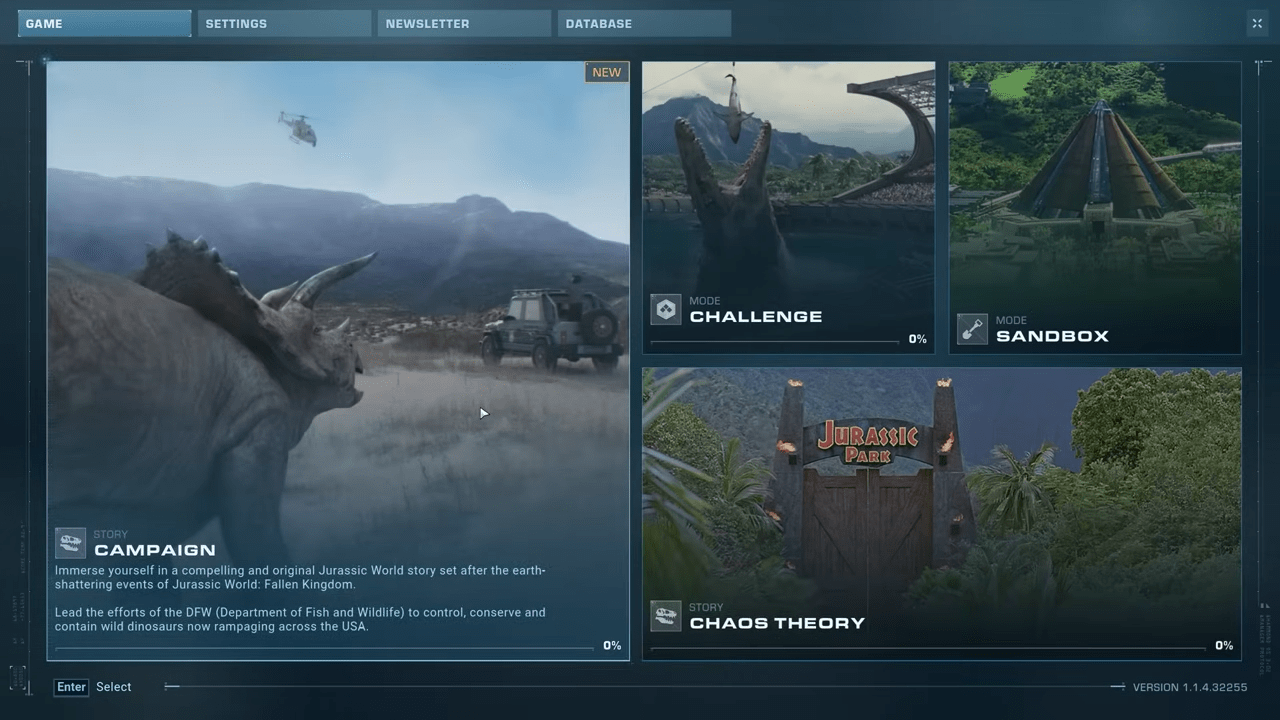
Jurassic World Evolution 2 is a construction and management simulation game in which players build and run dinosaur parks across varied biomes. You oversee habitat creation, genetic engineering, and species interactions for over 75 prehistoric animals including dinosaurs, pterosaurs, and marine reptiles. The game features multiple modes including a narrative Campaign set after Fallen Kingdom, a “Chaos Theory” mode with alternate film scenarios, plus Sandbox and Challenge modes to offer different levels of freedom and constraints. It distinguishes itself from its predecessor with deeper dinosaur behaviours (territoriality, interspecies interaction), more varied biomes, and improved tools for building and customizing both parks and animal genomes.
- Developer: Frontier Developments
- Publisher: Frontier Developments
- Release Date(s): November 9, 2021
- Platforms: Windows (PC), PlayStation 4, PlayStation 5, Xbox One, Xbox Series X|S
- Genre: Construction and management simulation (business, tycoon, strategy)
- Core Loop: Explore or dig for fossils → extract and sequence genomes → incubate dinosaurs → place into enclosures with proper habitat → monitor and manage needs or conflicts → generate income or reputation → reinvest into expansion and research → repeat → scale up to new islands and challenges
2. Core Facts Table (Quick Reference)
| System | What it does | Player impact |
|---|---|---|
| Game Modes | Campaign, Chaos Theory, Challenge, Sandbox | Story progression, movie scenarios, objective constraints and creative playstyles |
| Genome and Research | Dig sites → fossils → genome research → viability & editable traits | Higher viability reduces incidents and allows customizing traits (aggression, attractiveness, tolerance) |
| Needs Model | Species-specific needs: social, territory, food, water, environment, enrichment | Unmet needs increase stress, illness, fighting and escape risk; satisfied needs improve health and guest appeal |
| Containment Systems | Fencing, power, vehicle hubs, Ranger and ACU posts, aviaries, lagoons | Proper placement and type reduce response time and escape frequency; marine/aviary species require specialized logistics |
| Staff and Facilities | Scientists, Rangers, ACU, Veterinarians, Labs and Guest services | Staffing levels and building placement affect research speed, incident response and guest satisfaction |
3. Core Systems and Mechanics (Genomes, Needs, Enclosures)
Genomes
-
You extract DNA from fossils, then build up each genome percentage to improve dinosaur health, traits, and appearance. Higher genome quality yields fewer negative traits and better overall performance.
-
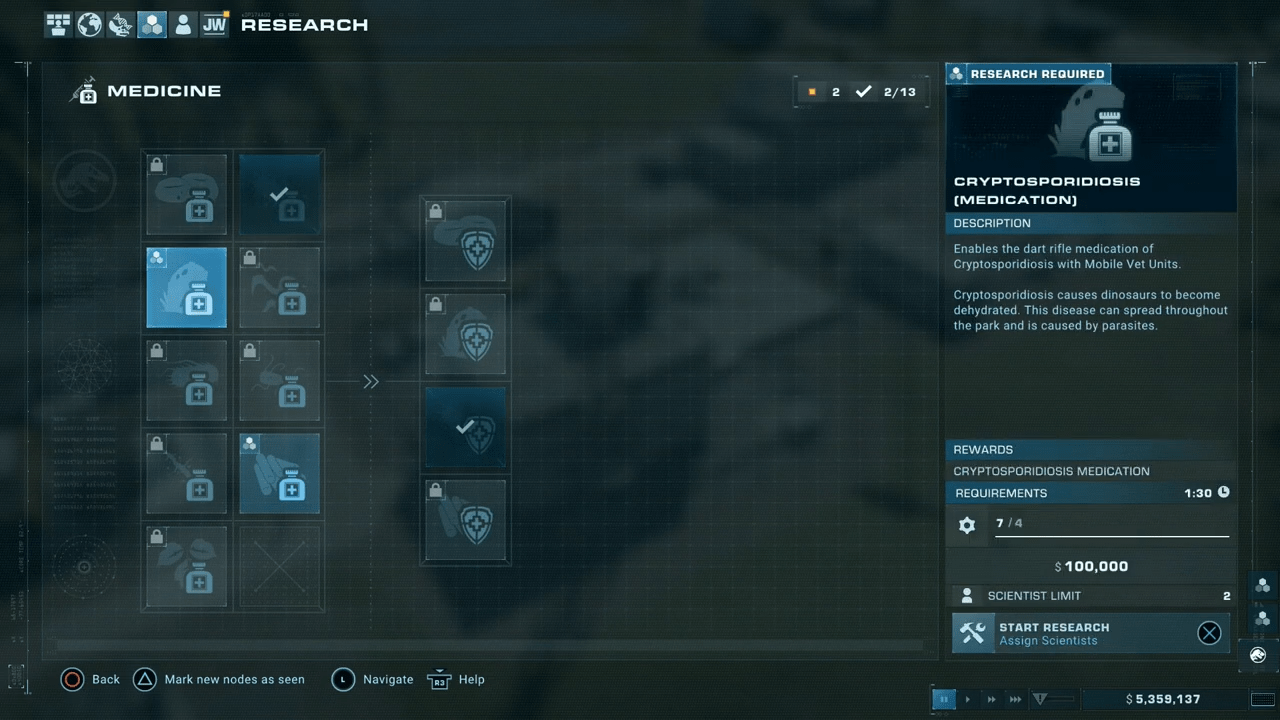
You can modify genomes to add traits like disease resistance, aggression modifiers, or other behavioral or performance bonuses.
Needs
-
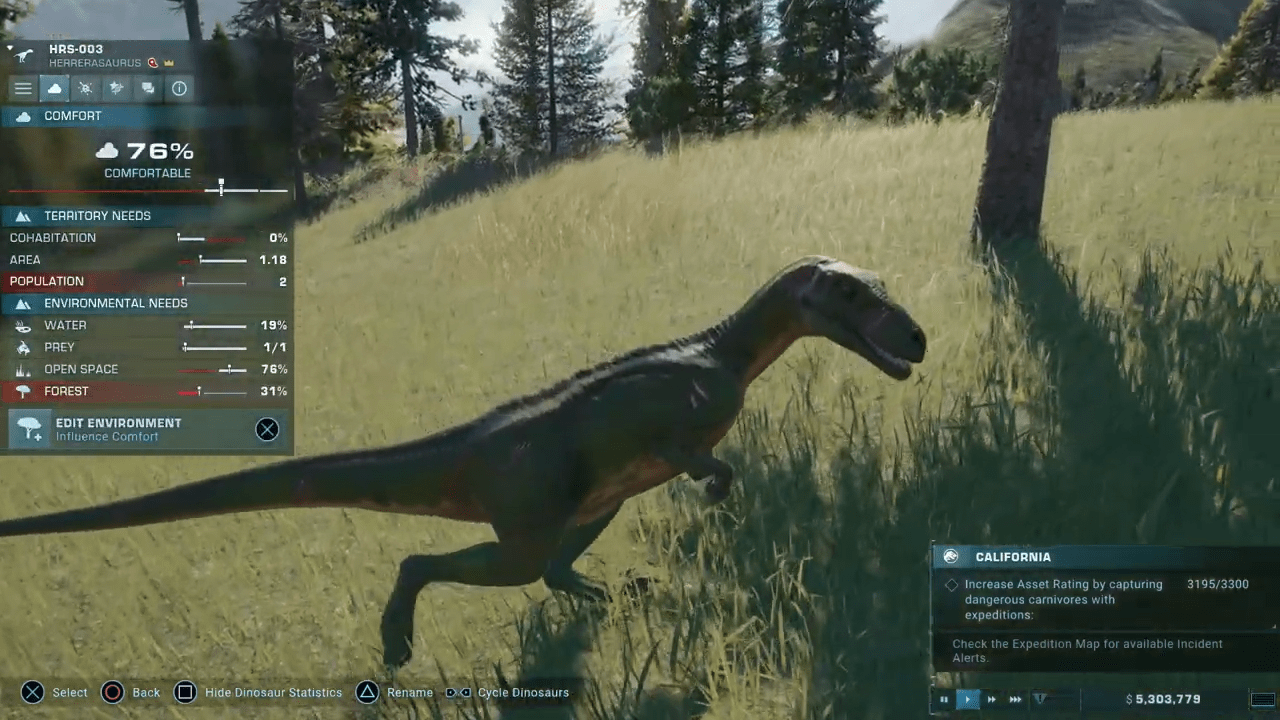
Every species has environmental needs: types of food (e.g. fruits, nuts, leaves, fiber) and the proper proportions of terrain and vegetation (forest, open ground, water) must be met.
-
Social/population/ co-existence needs: how many of their own species or other species they tolerate, conflict behavior, territory demands. If population or social limits are exceeded or environmental needs are unmet animals will become stressed, escape, or fight.
Enclosures
-
Enclosures must satisfy the above needs: proper habitat types, vegetation, terrain, water bodies etc. Design must include sufficient space and the correct environmental mix.
-
Dinosaurs will dynamically form territories in the enclosure, which may change or overlap. Cohabitation depends on compatibility (species behavior, size, diet). Incompatible mixes can lead to fights or territory disputes.
-
Enclosures need secure fencing, power, gates for access, proper feeder placement or vegetation (for herbivores), and must scale in size with herd size or species demands.
4. Park Management (Facilities, Staff, Logistics)
Facilities and Infrastructure
-
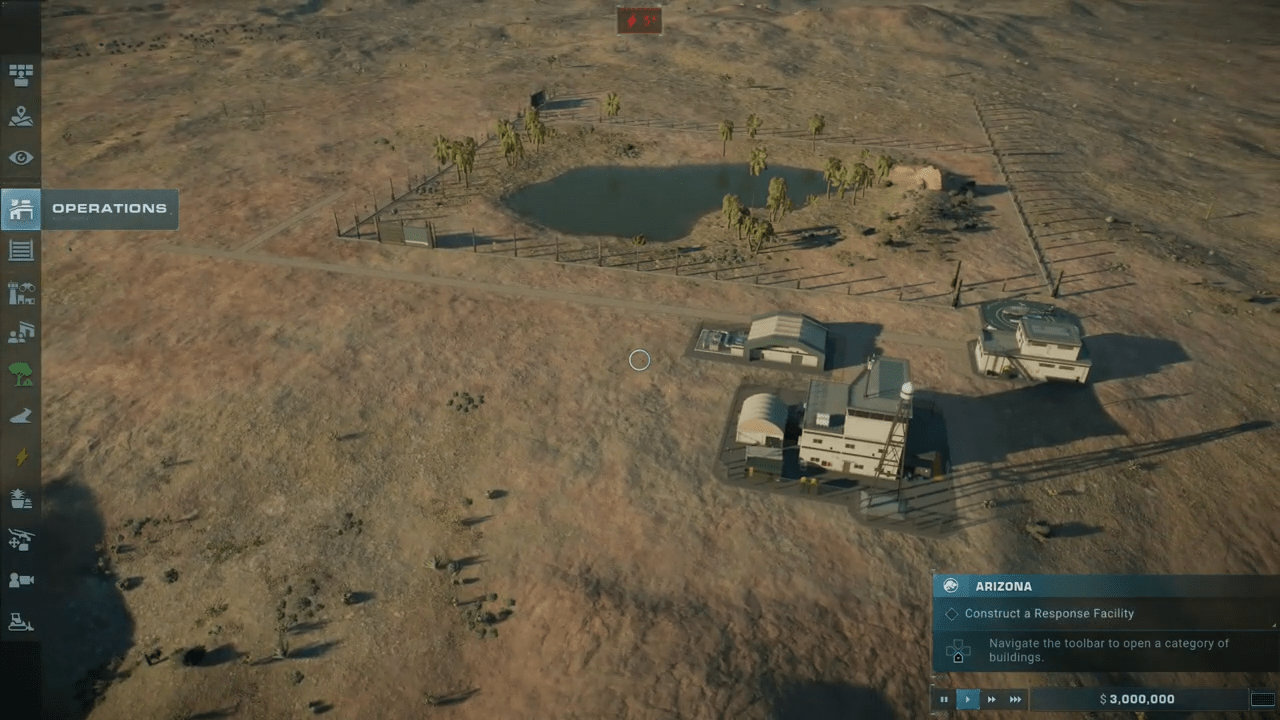
Key buildings include the Response Facility (repairs, escapes, feeders), Paleomedical Facility (treat sick or injured dinosaurs), Control Center (hire scientists and unlock research), Visitor Center, Emergency Shelters, Auxiliary Generators plus substations to power the park.
-
Also needed are amenities for guests (shops, dining, viewing galleries) and safety structures to maintain reputation and guest satisfaction.
Staff and Skills
-
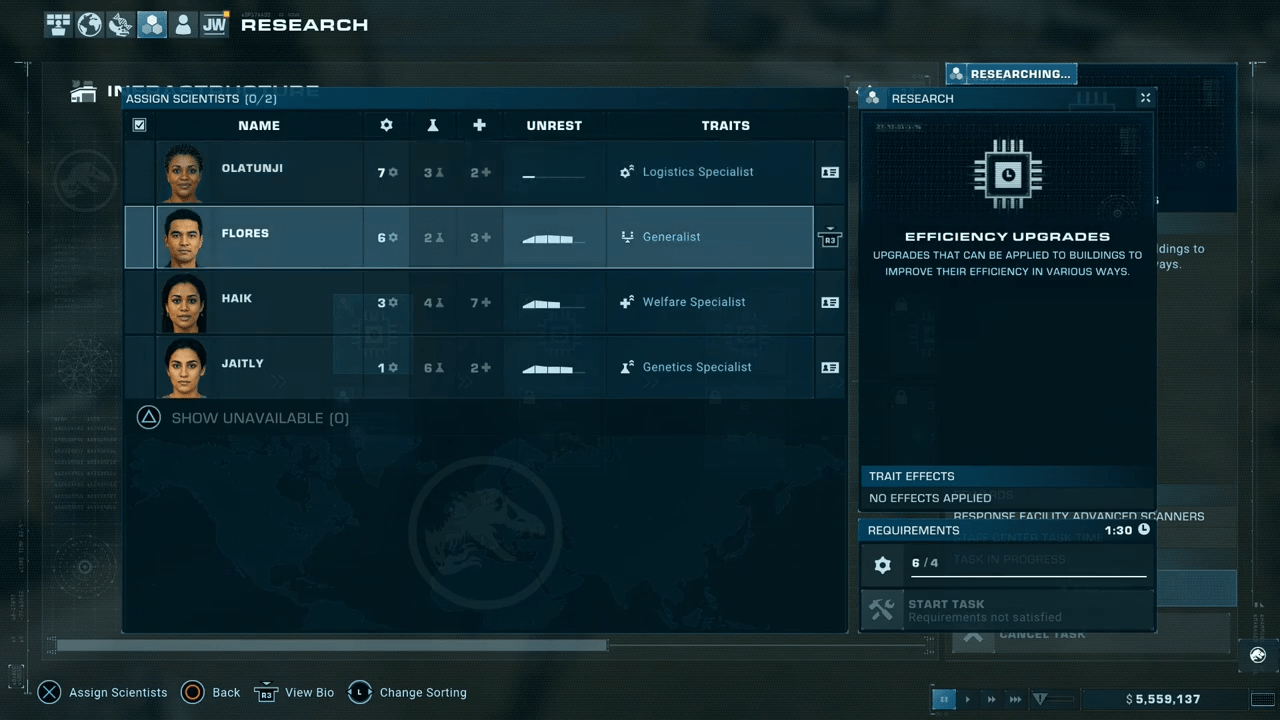
Staff are primarily scientists with three skill categories: Logistics, Genetics, and Welfare. Different tasks (research, expeditions, dinosaur health management) require certain combined skill levels.
-
You have a limited number of staff slots (expanded via Staff Centres). Staff accumulate stress from overwork; resting or shifting tasks is necessary to avoid penalties.
Logistics and Operations
-
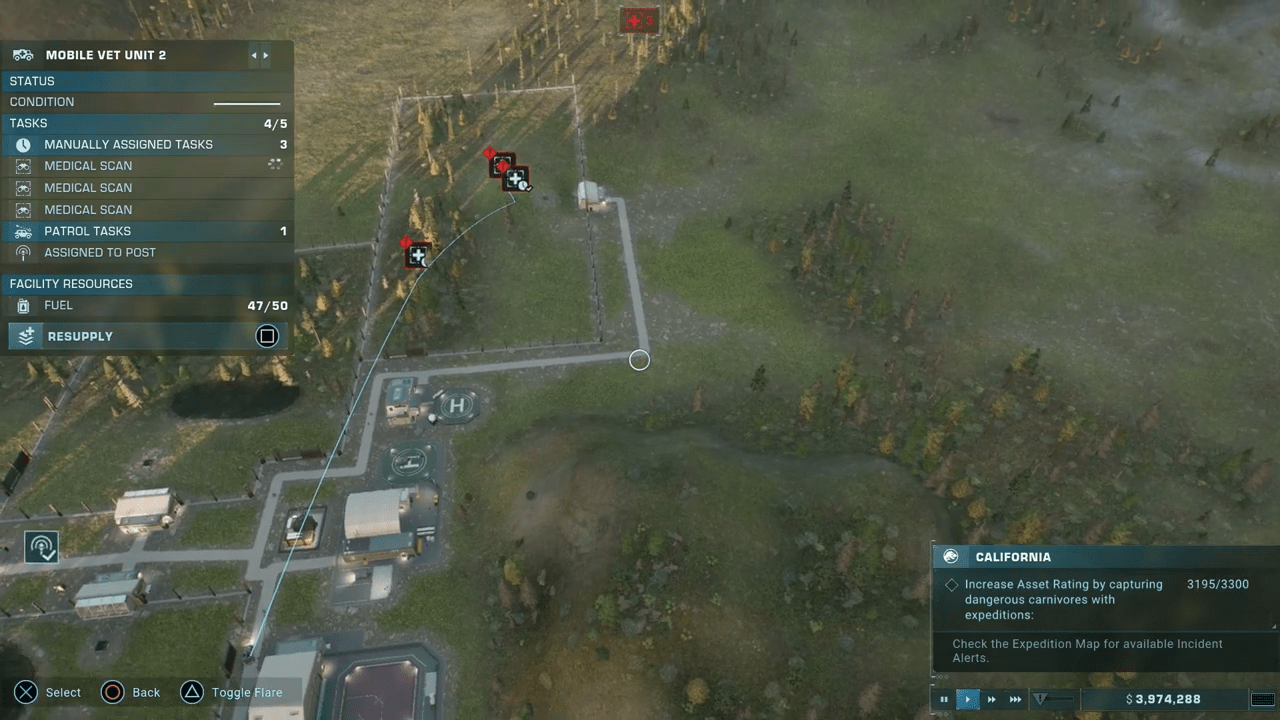
Facilities that use vehicles (e.g. Response Facility, ranger teams) need regular refueling and access.
-
Power management is crucial: build generators, substations, high-voltage towers to ensure facilities stay operational. A power outage can make fences/infrastructure fail.
-
Placement matters: staff-centers, emergency shelters, and response buildings should be well placed so response times are minimized. Efficient layout of paths and facility-connections supports better staff operation.
5. Missions, Modes and Progression
The game offers four main modes: Campaign (narrative missions that unlock tools and teach systems), Chaos Theory (film-based scenarios reimagining movie events), Challenge (objective-based maps with star ratings and cosmetic rewards), and Sandbox (full creative freedom once content is unlocked).
- Campaign: Teaches core mechanics, unlocks species, buildings, and research across successive map objectives, framed by a post-Fallen Kingdom narrative.
- Chaos Theory: Lets players replay or reinterpret key moments from the Jurassic films with mode-specific constraints, era-appropriate species, and alternate outcomes.
- Challenge: Presents timed or goal-driven maps under constraints (species limits, map restrictions, etc.) across four difficulty tiers (Easy, Medium, Hard, Jurassic) and awards cosmetic unlocks and stars.
- Sandbox: A freeform mode where you can create parks with unlocked dinosaurs, buildings, and systems; you can also adjust settings like weather, finances, and difficulty.
Progression
-
Mission structure in Campaign and Narrative modes gives you objectives like building enclosures, stabilizing facilities, research, containment, etc. These missions act as tutorials early on, gradually opening up more mechanics and tools.
-
Unlocking content (new dinosaurs, maps, buildings) generally requires completing missions in Campaign, Chaos Theory, and Challenge. For example, some dinosaurs are only gained via missions in those modes. These unlocks then become available in Sandbox.
-
Star ratings and difficulty in Challenge Mode serve as a progression metric. To unlock harder difficulties or more challenging maps, you’ll often need to achieve a certain number of stars in easier difficulties.
-
Replayability comes via alternate scenarios (Chaos Theory), redoing challenges, experimenting in Sandbox once content is unlocked
6. Containment, Incidents and Emergency Response
Containment and Incidents
-
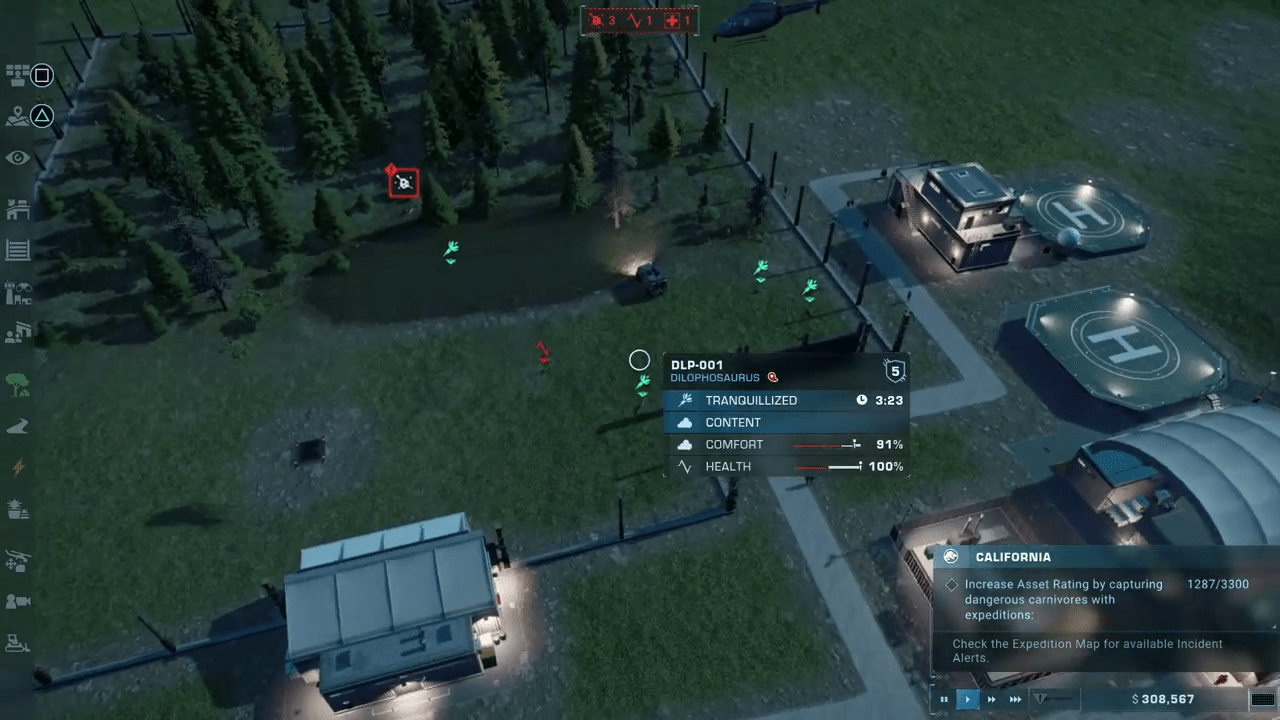
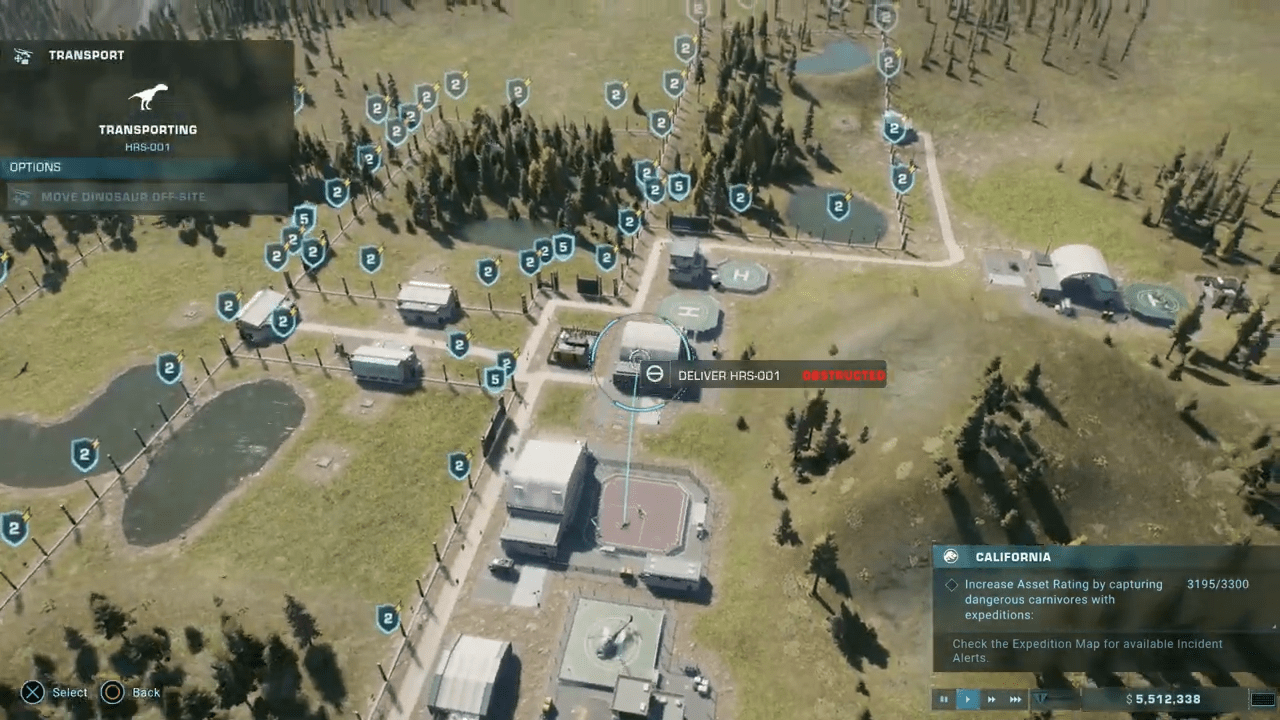
When fences are damaged (by storms or wear) or power fails, dinosaurs can escape their enclosures. These “containment breaches” are serious incidents that threaten visitor safety and park reputation.
-
Other incidents include dinosaur illnesses or injuries, which must be treated in the paleo medical facility; structural damage to facilities (especially during storms), and hazards caused by natural disasters.
Emergency Response Systems
-
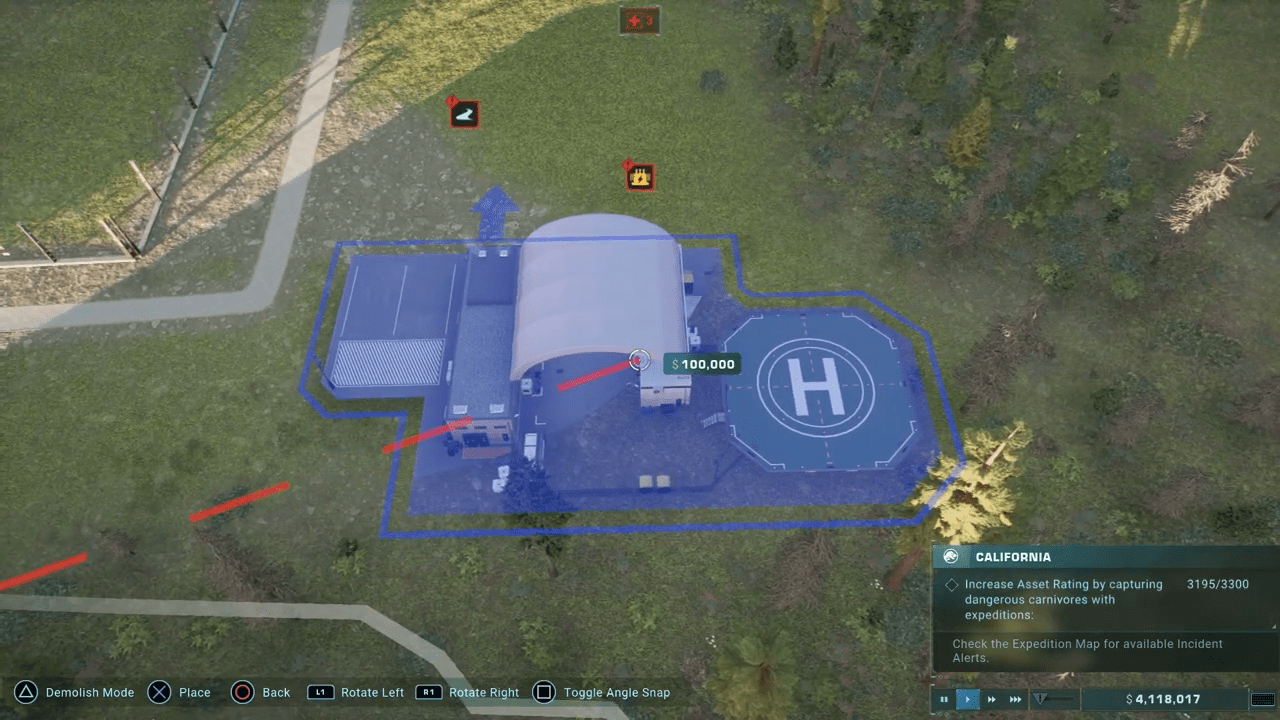
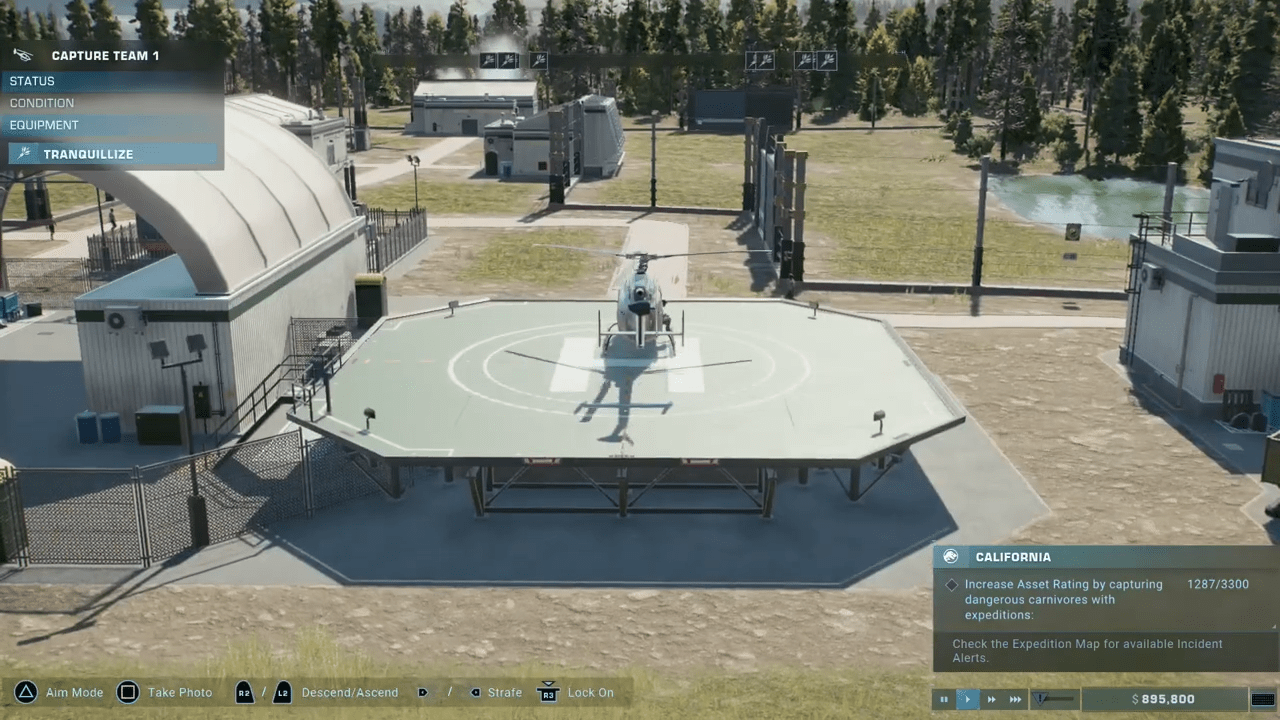
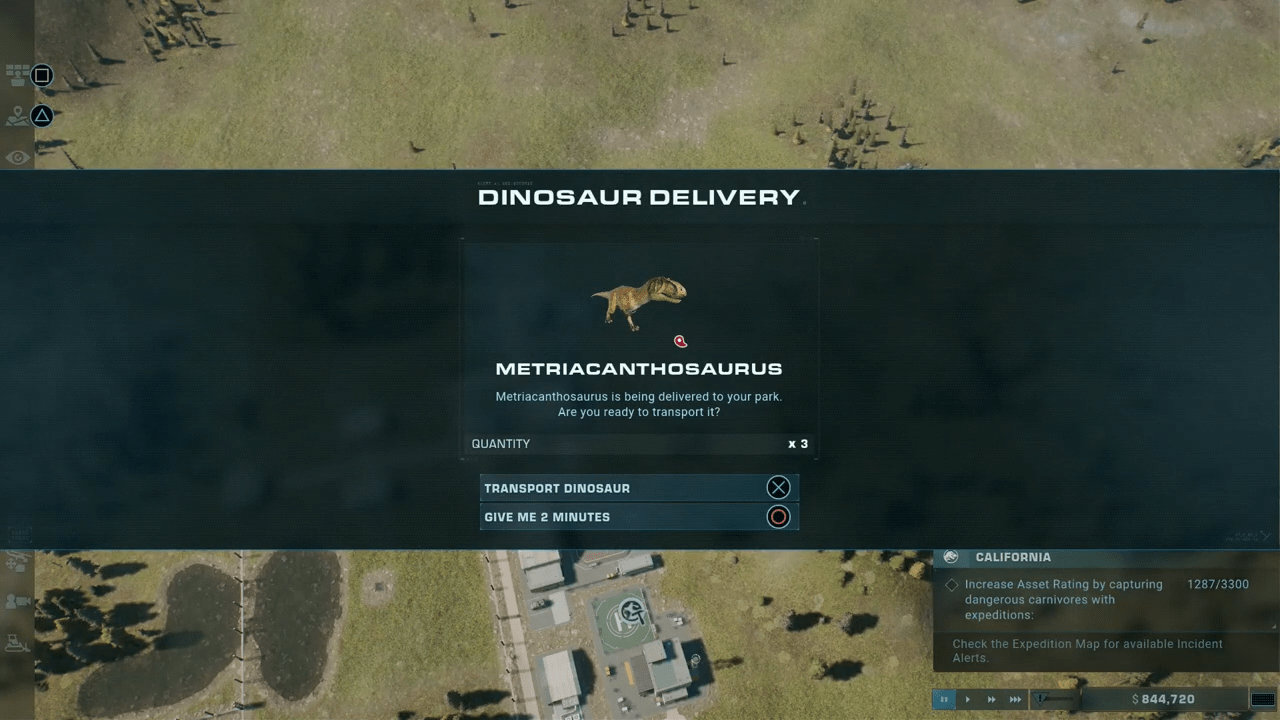
Response Facility: Deploys ranger teams to repair fences, restore feeders, and respond to escapes. Also supports helicopters for tranquilizing or relocating escaped dinosaurs.
-
Paleomedical Facility: Handles sick or injured animals, providing treatment and care. Scientists’ welfare skill affects how effectively this works.
-
Emergency Shelters and Bunkers: Buildings you build so visitors can shelter in an emergency (storm, escape). Opening shelters helps reduce reputation loss during disasters.
Logistics and Prevention
-
Keeping enclosures powered (including backup/fuel for generators) is essential; a power outage can disable fences and breach containment.
-
Having multiple response facilities spread well helps reduce response time when incidents happen. Location of shelters and staff buildings matters for effective incident management.
7. Beginner Roadmap (First 10 Hours)
If you follow the detailed blueprint below, by 10 hours you should have:
-
A functional park with basic infrastructure
-
Several dinosaur types with their needs met
-
Good guest satisfaction and safety
-
Enough research progress to unlock more species, facilities, and move into more creative play.
Hour 1-2
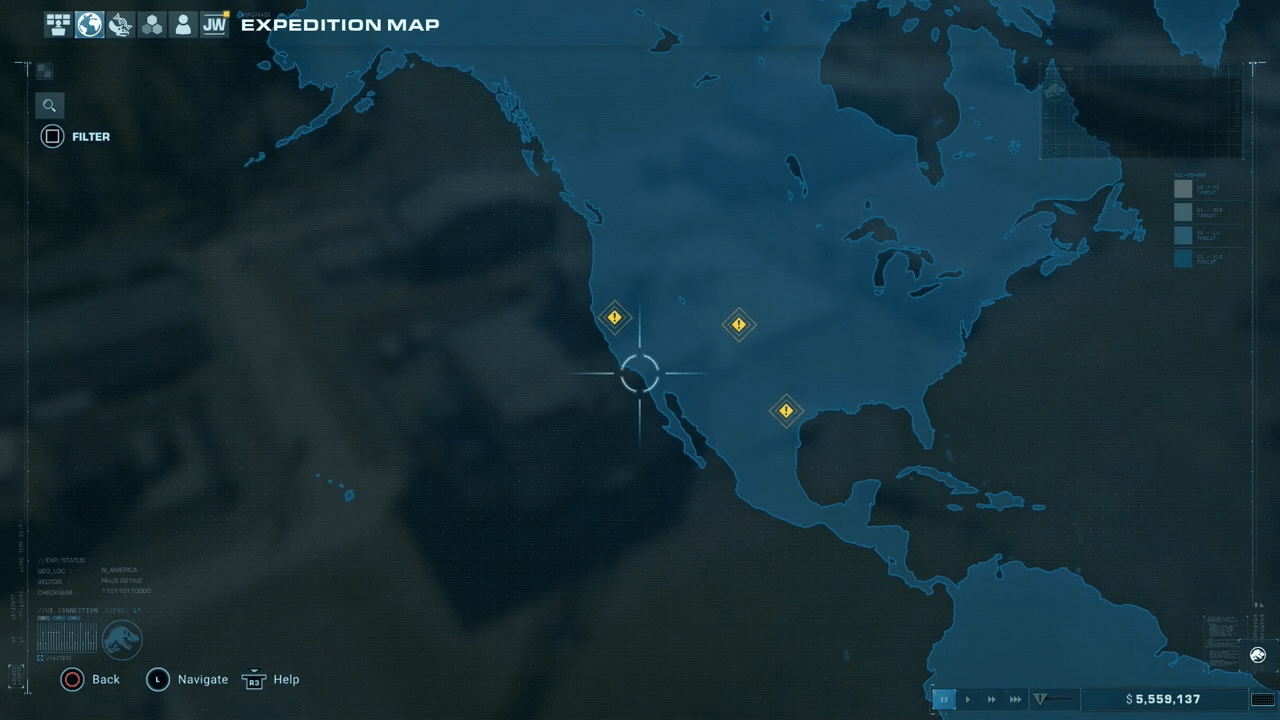
Start in Campaign Mode. Complete the initial missions to learn basics: set up power, build a Visitor Centre, hatch your first dinosaur, and learn how enclosures work. This gives you access to tools and research you’ll need later.
Hour 2-4
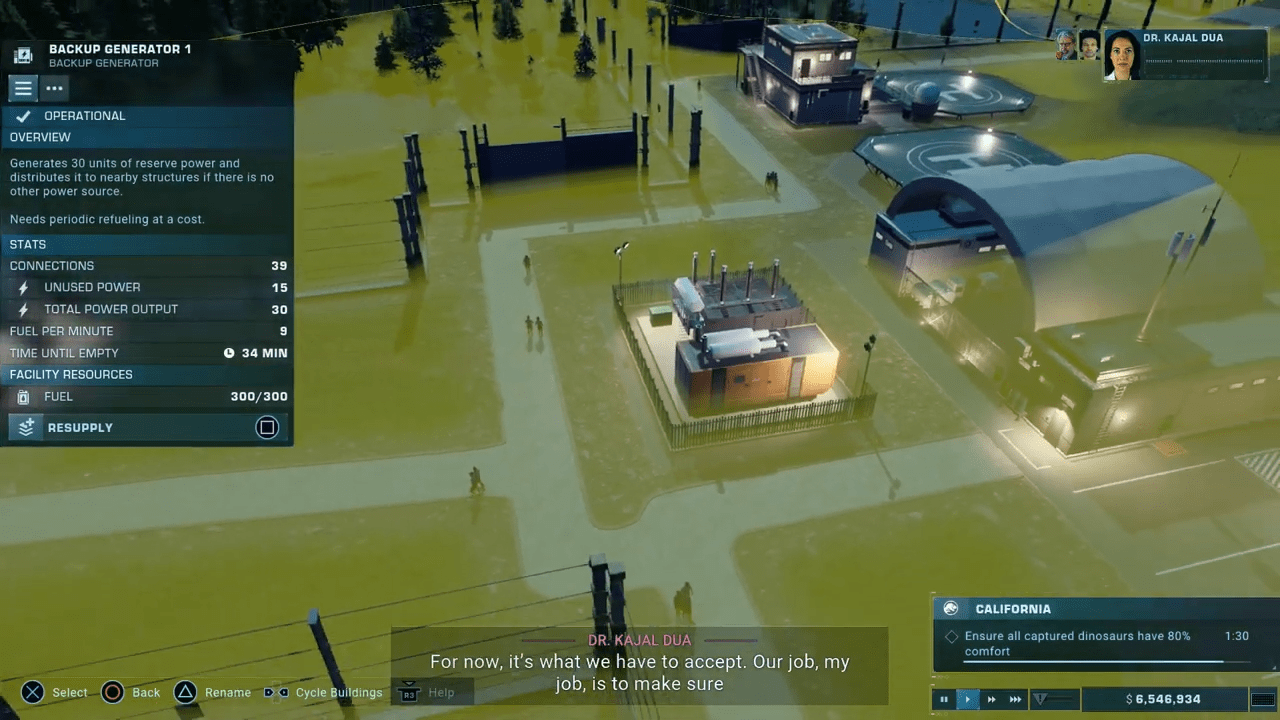
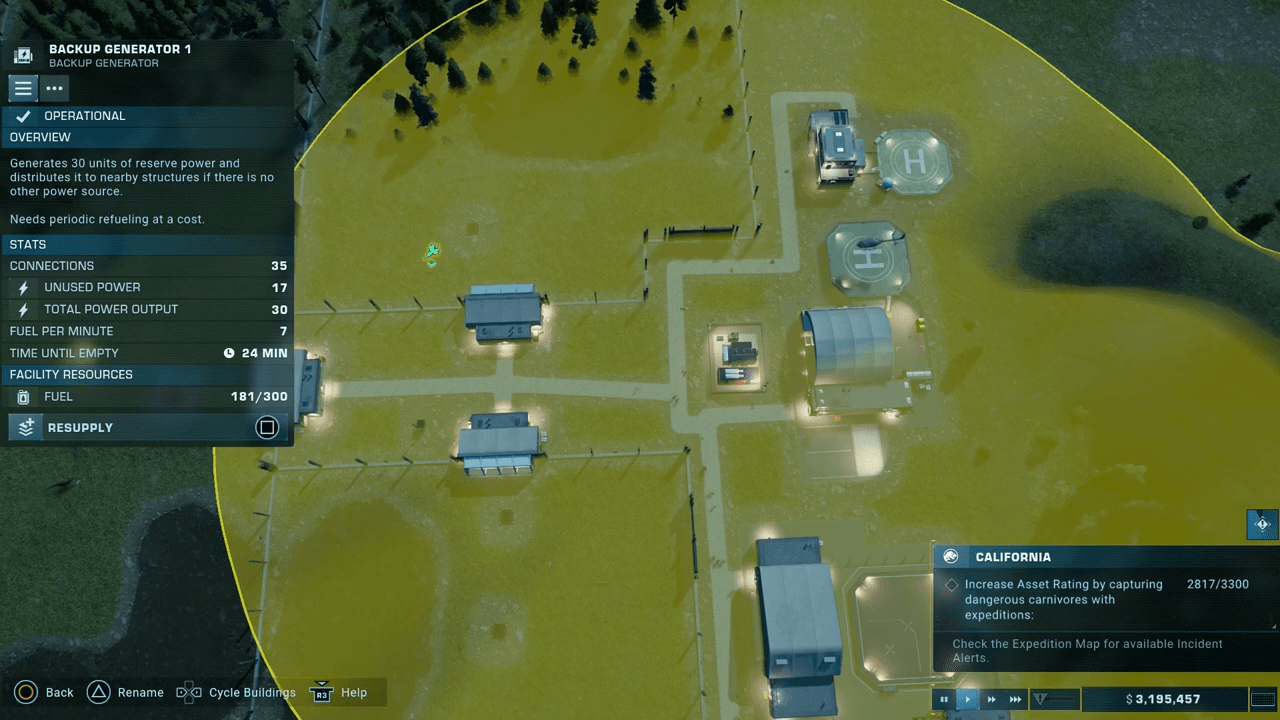
Focus on getting reliable power. Use backup generators initially if needed but research power stations quickly since they cost less long-term and cover more area. Also make sure all enclosures are powered so fences stay active.
Hour 4-6
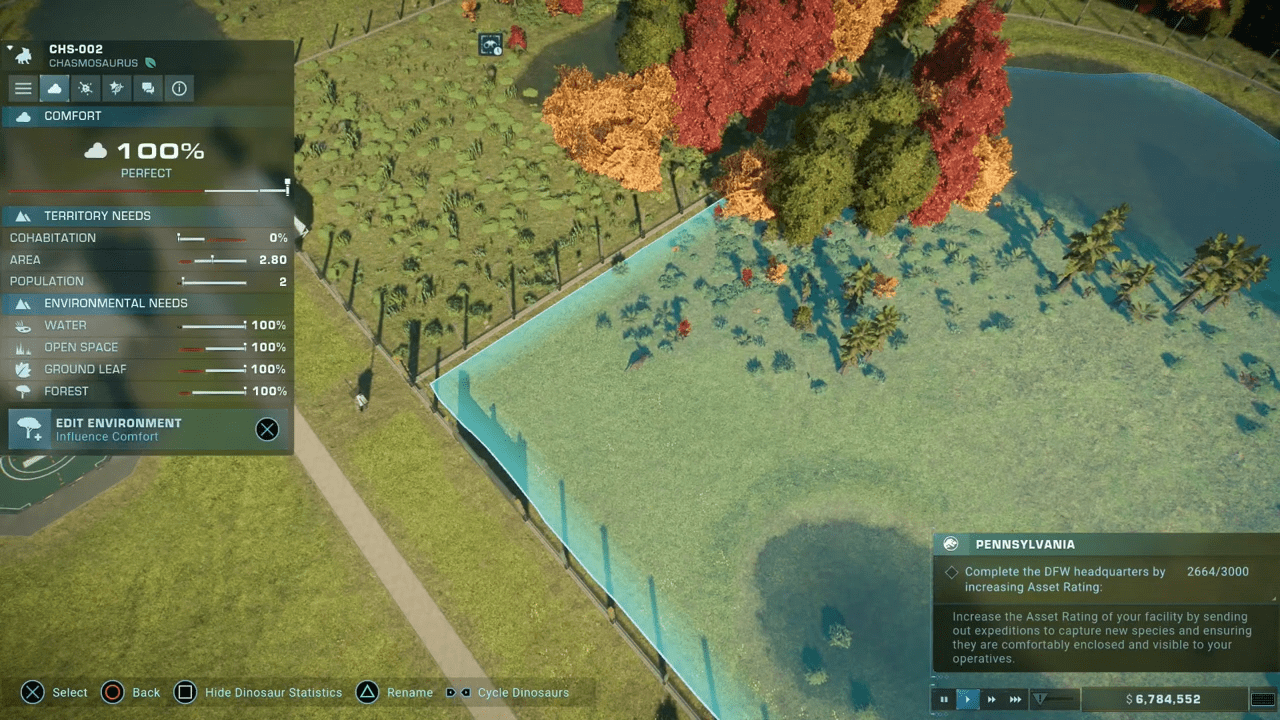
Work on dinosaur happiness: provide correct feeders, water, environmental foliage, adequate space, and ranger posts/patrols for upkeep. Unhappy dinos can escape or cause trouble, so invest early in their needs.
Hour 6-8
Build guest amenities (shops, bathrooms, viewing galleries) in logical places so guests don’t have to walk too far. Place emergency shelters in central locations. Also hire scientists with balanced skills (logistics, genetics, welfare) and begin unlocking research.
Hour 8-10
Take on side-contracts and additional missions for extra resources. Keep checking Map & Management views to find weak points (broken fences, power issues, unhappy dinos). Adjust layout: relocate or deactivate buildings that aren’t helping to preserve funds. Start planning for more advanced maps or modes once you have a solid foundation.
8. Advanced Strategies and Optimization Tips
-
Use Multiple Power Stations Early
Relying too much on backup generators causes high maintenance and fuel costs. Invest in power stations as soon as possible and spread them to cover your fences and facilities reliably. -
Delegate Tasks and Automate Patrols
Assign ranger teams to ranger posts inside enclosures and use facilities’ auto-tasks where possible. This frees you up from micromanaging every incident. -
Optimize Scientist Hiring and Skills
Hire scientists with balanced (or specialized) skills in welfare, genetics, and logistics. Don’t over-hire; leveling up existing scientists is often more efficient. Maintain staff morale to avoid sabotage or underperformance. -
Plan Layout and Terrain Before Building
Before placing facilities or paddocks, flatten terrain where necessary and plan paths / buildings for good access. A well-planned layout reduces response times and simplifies future expansion. -
Strategic Amenity Placement and Variety
Spread out amenities (food, shops, restrooms) where guest foot traffic is high. Make sure types of amenities match different guest preferences (Luxury, Nature, etc.) to maximise satisfaction and revenue. -
Build Emergency Shelters and Safety Infrastructure
Always include shelters placed centrally, and ensure safety / storm prevention facilities (e.g. storm defense near power stations, backup power). This reduces reputation loss during mishaps. -
Focus on Cash Flow Before Aesthetics in Harder Modes
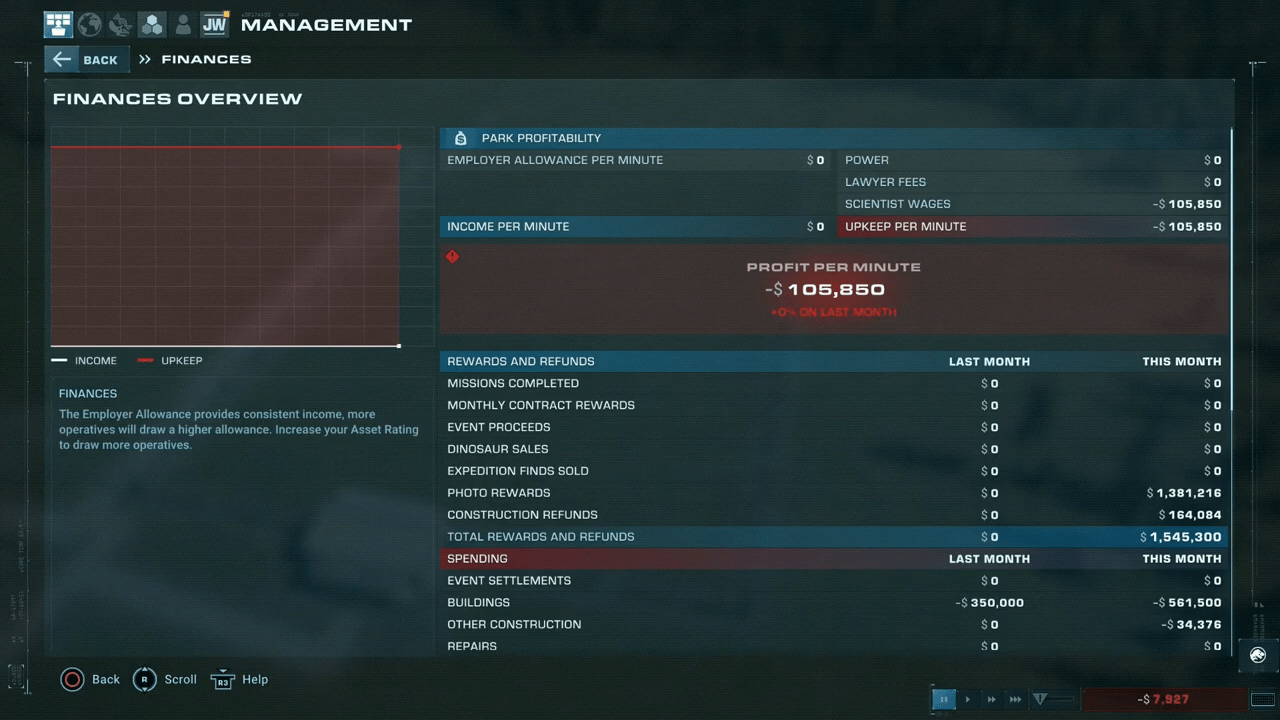
In Challenge or Chaos Theory modes, get your park open quickly, avoid overspending early, build what generates revenue first (entrances, ticket income, amenities), then beautify or expand.
Conclusion
By mastering genomes, enclosure design, staff logistics, incident response, and mode progression, you’ll build parks that are not only stable and profitable but resilient under stress. Use the advanced strategies shared here to push your efficiency, reduce risk, and design parks worthy of 5-star status. Keep experimenting, adapt to challenges, and you’ll turn your dinosaur ambitions into thriving visitor attractions.

Leave a Reply